
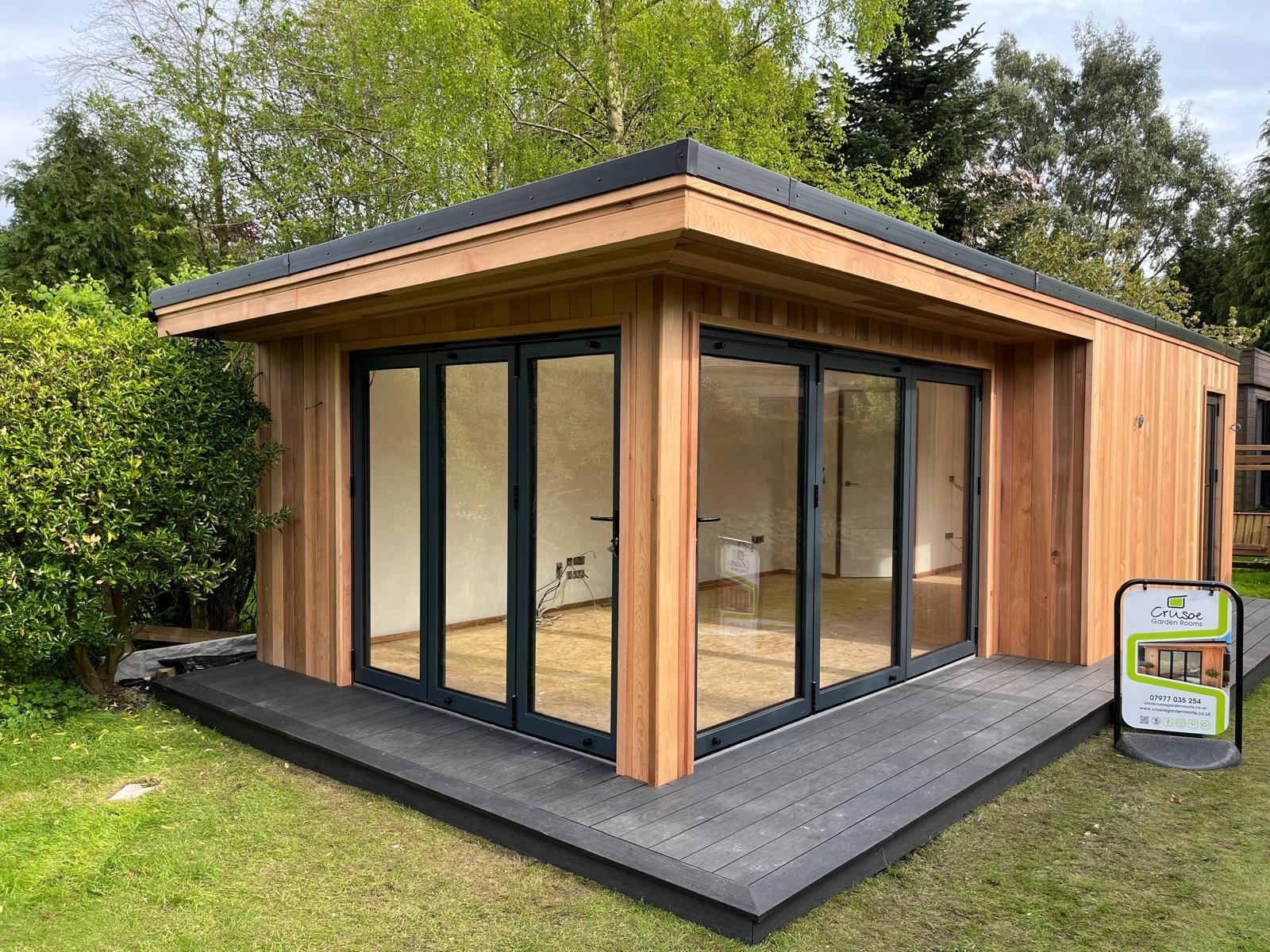
The Ultimate Guide for Artists, Makers, Musicians, Writers and Creative Professionals
Creativity rarely thrives in clutter, distraction or compromise.
Whether you’re an artist searching for better light, a ceramicist needing space for a kiln, a musician looking for somewhere to practise, or a content creator wanting a professional filming environment, the space around you plays a huge role in how effectively you work.
Many creative journeys begin at the kitchen table, in a spare bedroom or in a corner of the house. Whilst these spaces may work initially, they often come with limitations. Materials need packing away at the end of the day. Equipment competes with everyday family life. Inspiration can be interrupted by household distractions.
It’s no surprise that more creative professionals and hobbyists are turning to bespoke garden studios. A dedicated garden room provides something invaluable: a space designed entirely around the way you create.
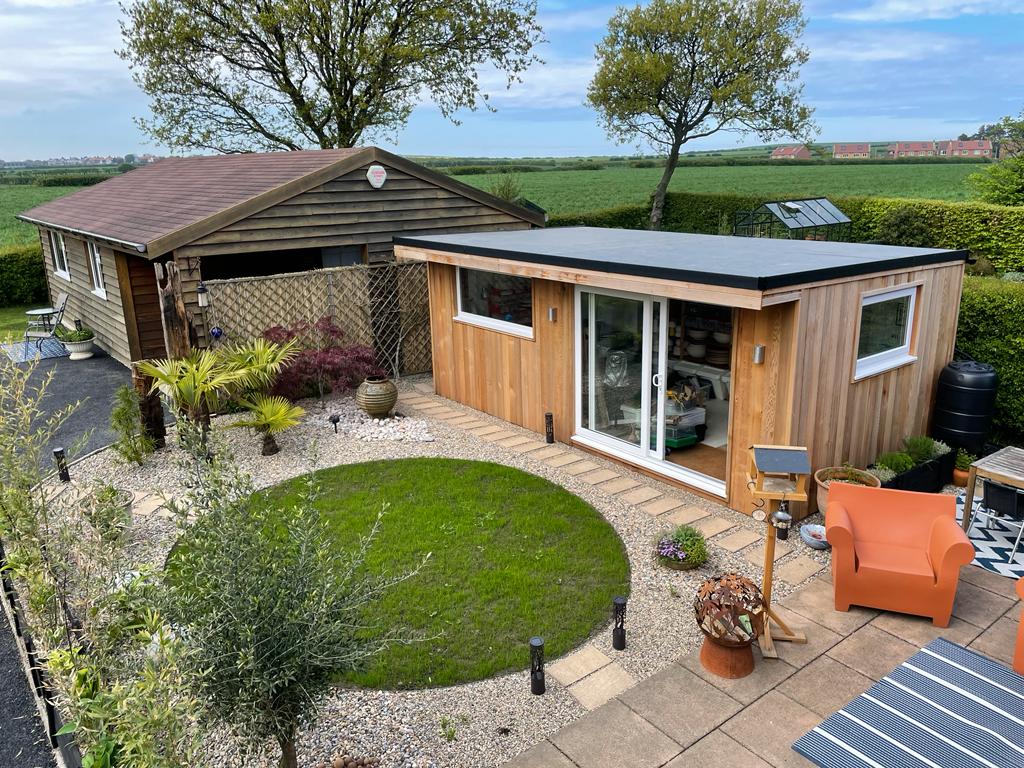
At Crusoe Garden Rooms, we’ve spent almost 15 years helping customers design creative spaces that support everything from painting and pottery to professional music recording and content creation. Over the years we’ve created writer’s retreats hidden amongst woodland, ceramics studios overlooking the North Yorkshire coast, specialist soundproofed music rooms and flexible creative workshops designed around multiple hobbies.
What we’ve learned is simple: no two creative studios are ever the same.
Every artist, maker, musician and creator works differently. That’s why every Crusoe Garden Room is designed around the individual rather than built to a standard formula.
In this guide, we’ll explore how to design the perfect creative garden studio, drawing inspiration from real Crusoe projects and sharing practical advice to help you create a space that inspires creativity for years to come.
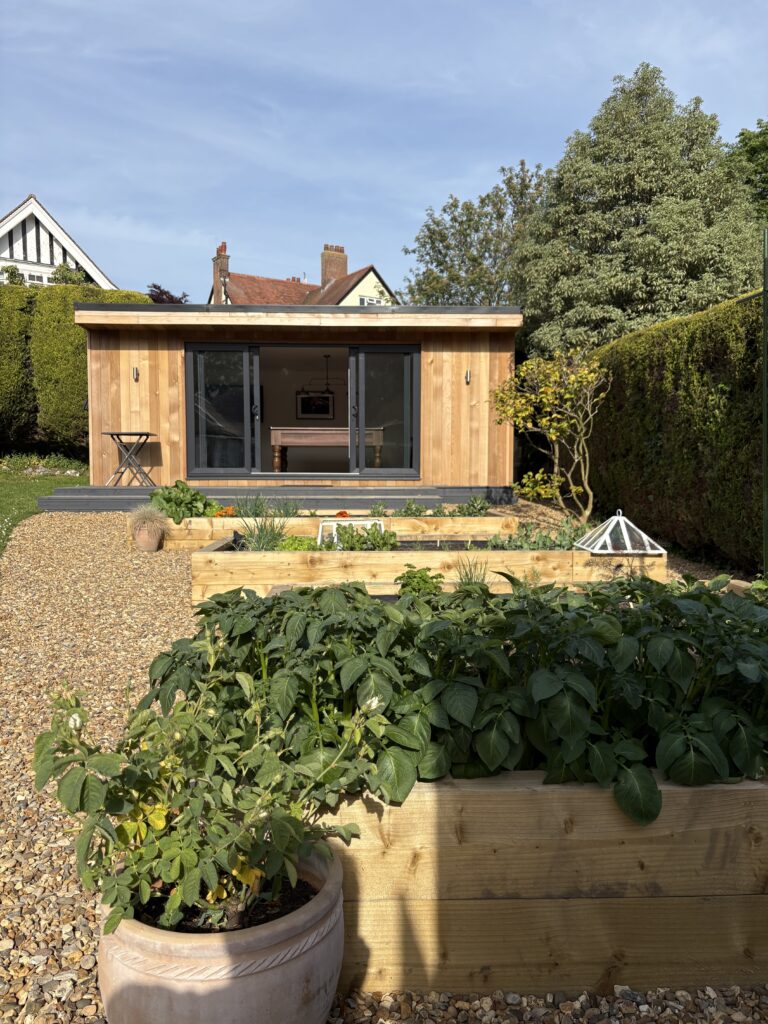
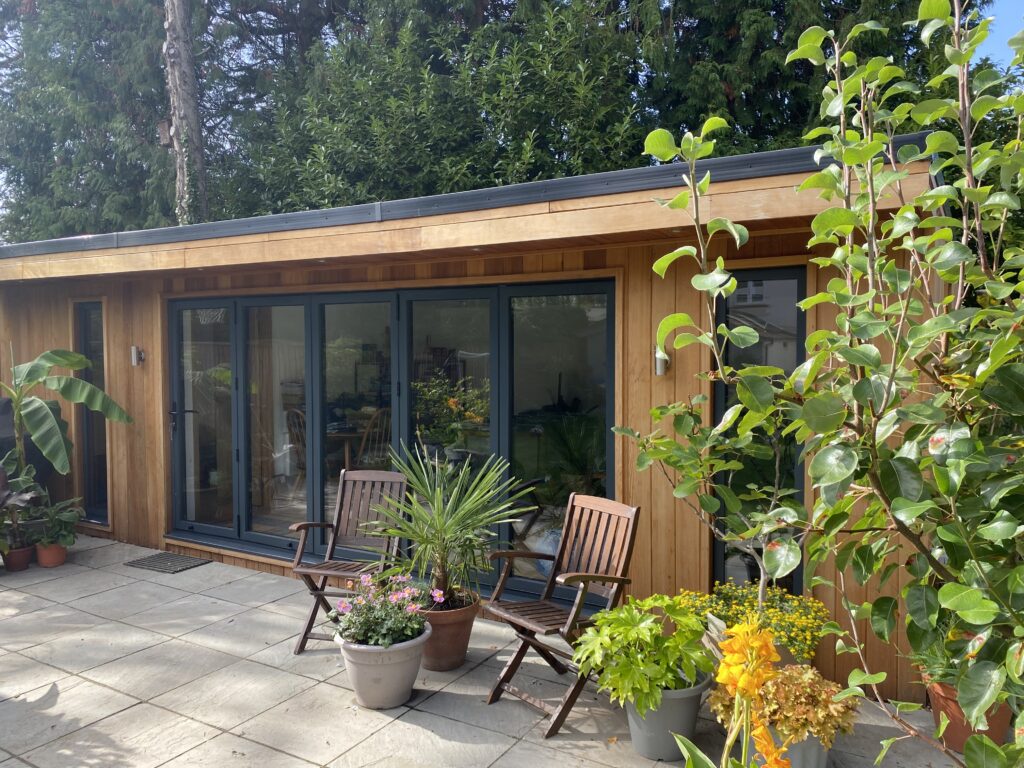
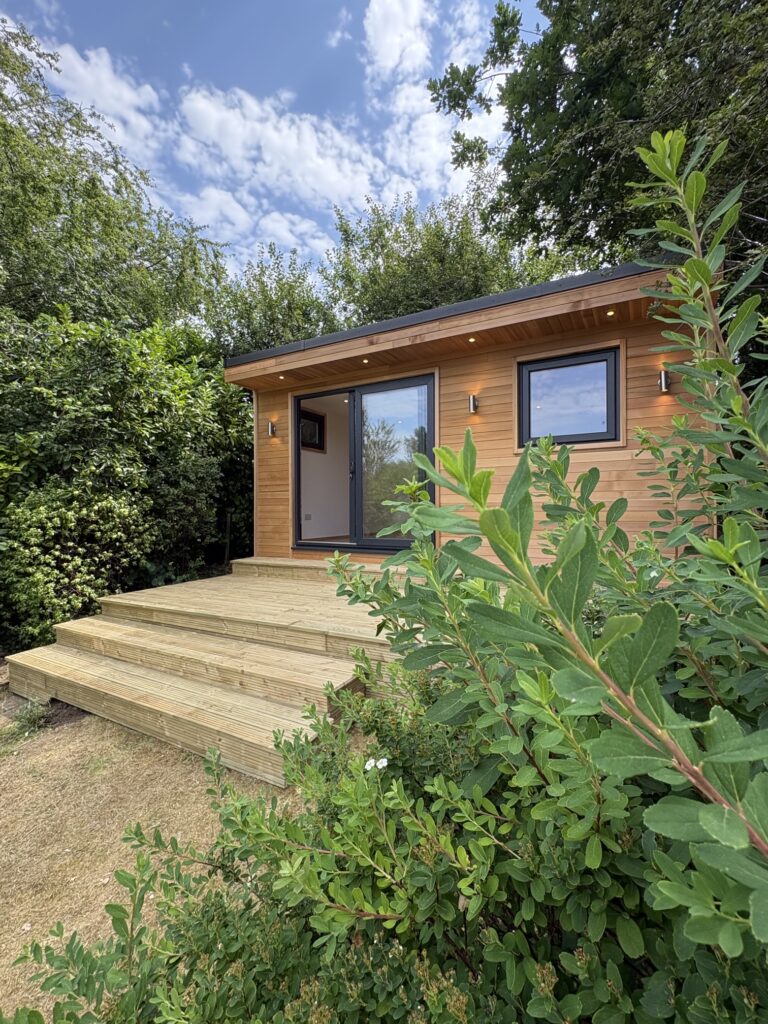
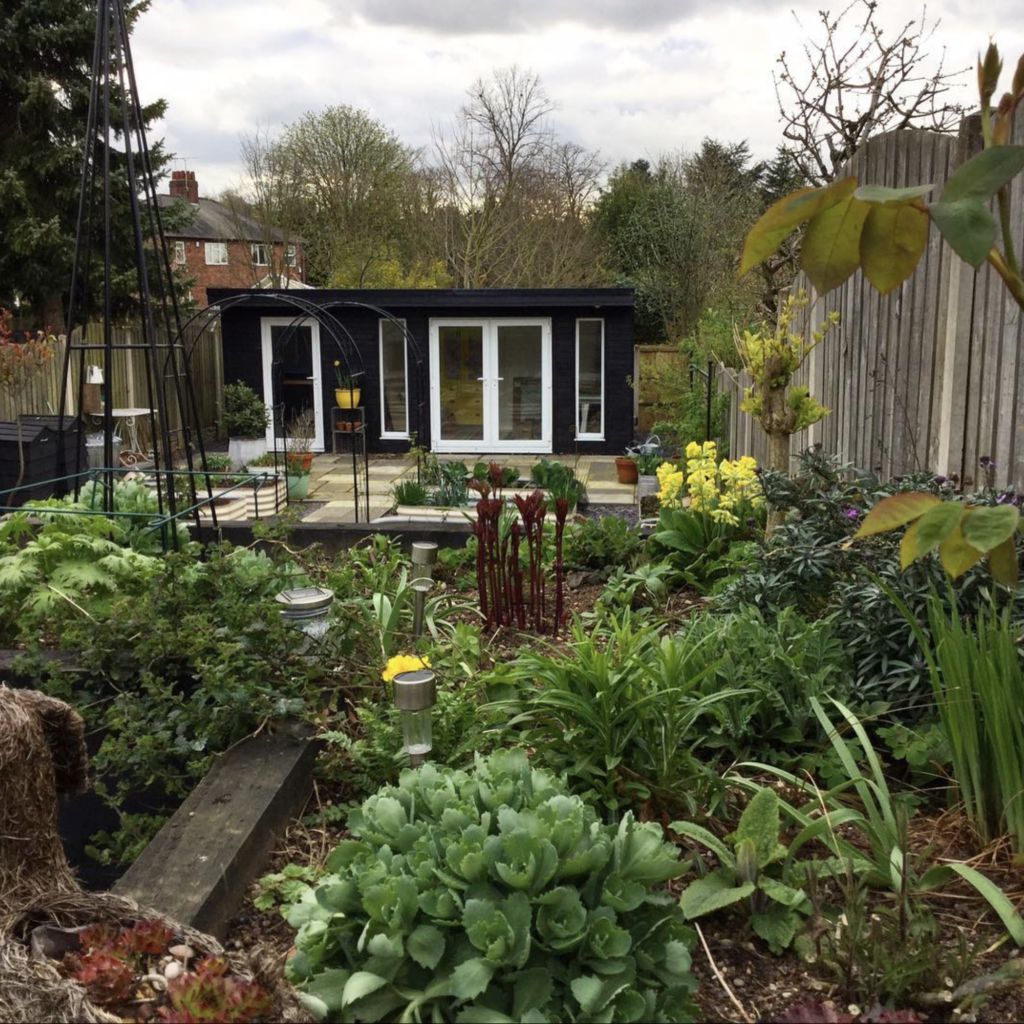
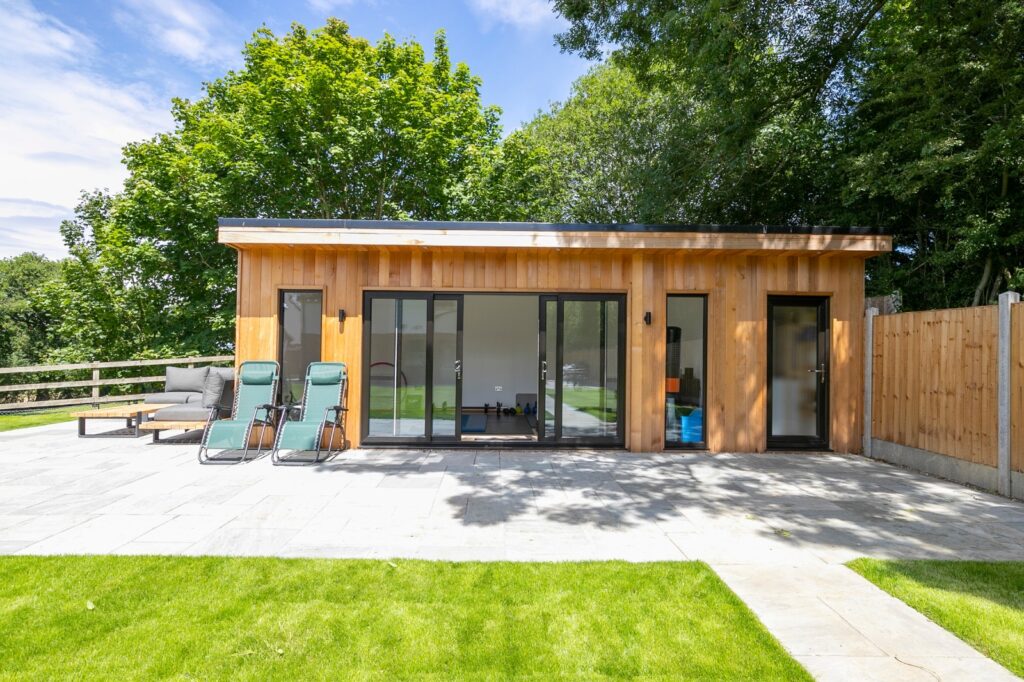
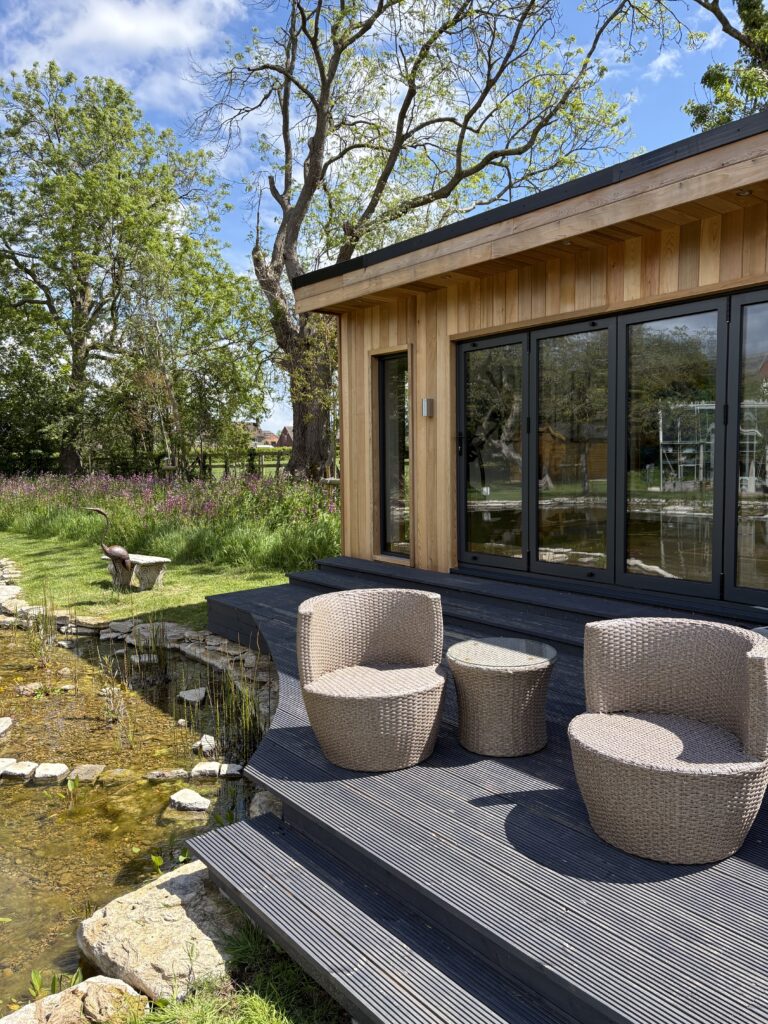
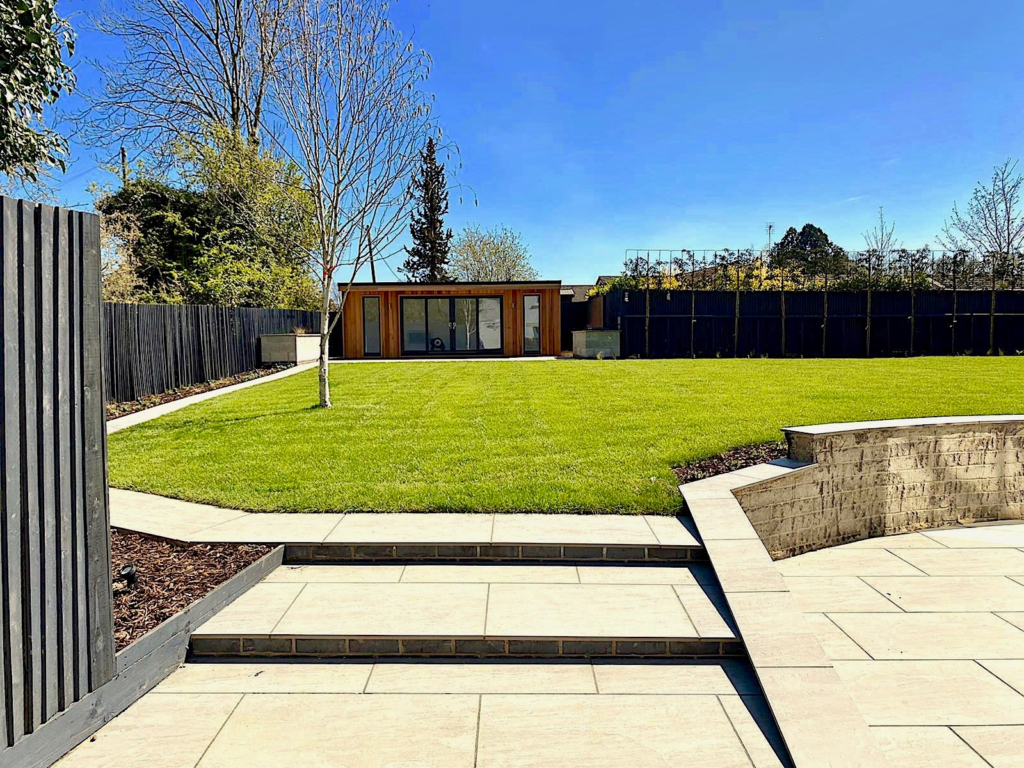
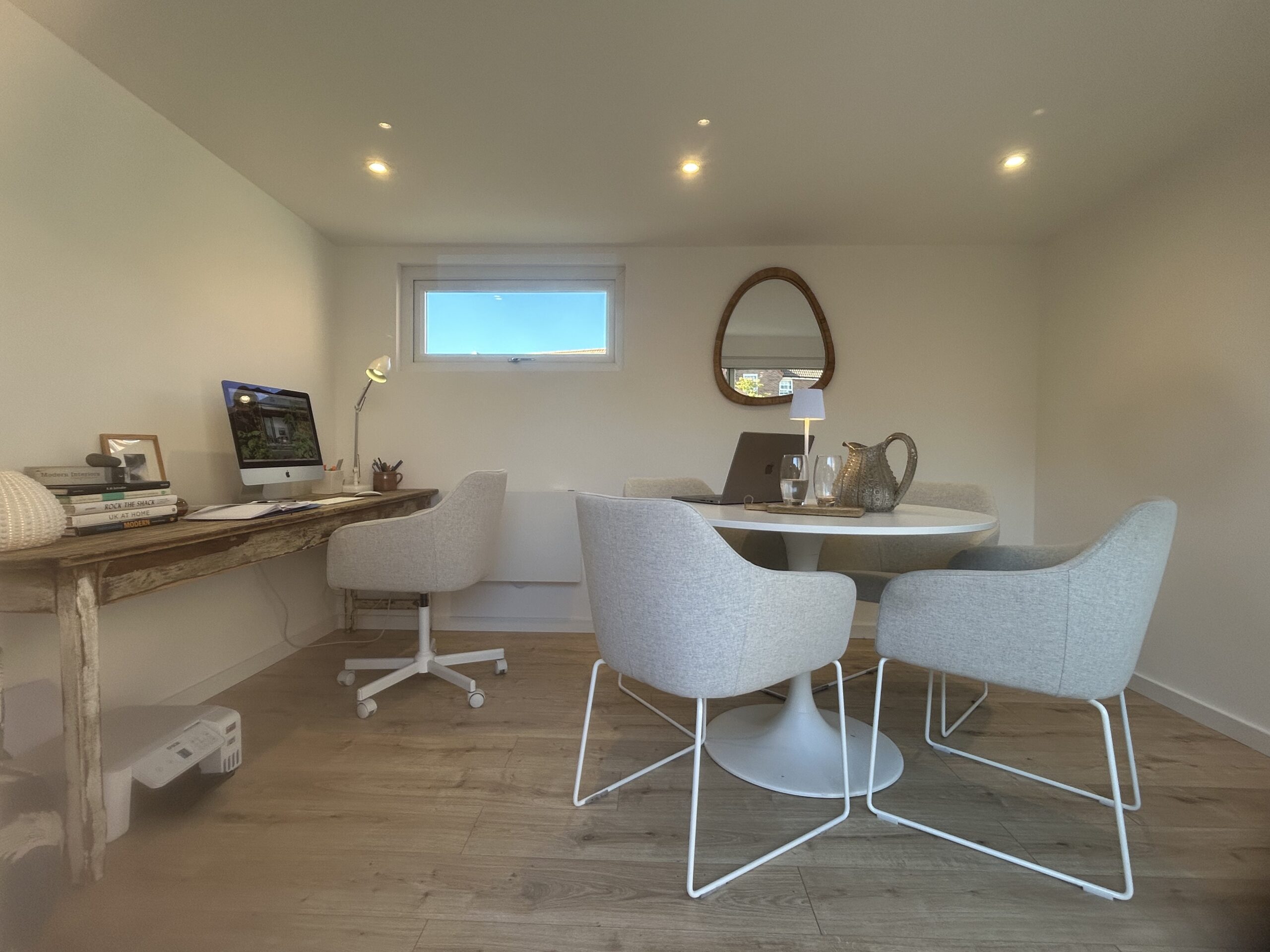
Why Creative People Benefit From Having Their Own Space
One of the biggest challenges creative people face is finding uninterrupted time and space to focus. Creativity often requires a different mindset to everyday life. It requires concentration, experimentation and freedom from distractions.
When you’re constantly setting up and packing away equipment, sharing space with other activities or trying to work around family schedules, it can become difficult to fully immerse yourself in your craft.
A dedicated creative studio changes that. Instead of adapting your work around your environment, your environment is designed around your work. Many customers tell us that simply having a separate building creates a psychological shift. Walking into the studio feels different. It signals that it’s time to focus, create and think.
This separation can be particularly valuable for Professional artists, Musicians and teachers, Content creators, Writers, Designers, Makers and craftspeople & Small creative businesses
The benefits extend beyond productivity.
Leave Projects Set Up
One of the biggest frustrations for creative people is constantly clearing away unfinished work. In a dedicated studio, projects can remain exactly where they are until you’re ready to continue.
Protect Equipment
Creative tools and equipment often represent significant investments. A purpose-built garden studio provides a safe, secure environment for storing valuable items.
Create a Professional Environment
For customers who teach, meet clients or run businesses, a dedicated studio creates a much more professional setting than working from inside the house.
Improve Work-Life Balance
Ironically, creating separation can actually help you switch off more effectively. When your work remains in the studio, it becomes easier to leave it behind at the end of the day.
Planning the Perfect Layout
A beautiful studio is only successful if it works practically. Layout planning is one of the most important stages of the design process and often has the biggest impact on day-to-day usability. When planning a creative studio, Trevor always encourages customers to think about how they actually work rather than how they imagine they might work.
Questions to consider include:
The answers help shape everything from window placement to socket locations. A thoughtful layout creates a studio that feels effortless to use.
Natural Light: The Most Important Design Feature?
If there is one element that appears consistently across almost every creative project we build, it is the importance of natural light. Light affects Creativity, Mood, Productivity, Concentration & Wellbeing.
Many customers begin by focusing on size or appearance, but quickly realise that how the light moves through the space is just as important. During every Crusoe site visit, we consider Garden orientation, Sun movement, Seasonal changes, Privacy, Views & Potential glare
The goal isn’t simply to add more windows. It’s to create the right quality of light for the way the space will be used. In many cases, carefully positioned glazing can completely transform a room, making it feel brighter, larger and more inspiring.
And for creative work, that can make all the difference.
Storage & Organisation: Designing for Creativity, Not Clutter
One of the most common pieces of feedback we hear from creative customers after they’ve moved into their garden studio is:
“I wish I’d had this much storage years ago.”
Creative work naturally generates materials, tools, equipment and resources. Whether it’s canvases, clay, camera equipment, instruments, sketchbooks, teaching materials or technology, these items need somewhere to live.
Without adequate storage, even the most beautifully designed studio can quickly become cluttered and frustrating to work in. That’s why storage should never be treated as an afterthought. Instead, it should be considered from the very beginning of the design process.
Thinking Beyond Cupboards
Storage isn’t simply about adding cupboards to a room. It’s about understanding how you work and creating systems that support that workflow.
Questions worth asking include:
The answers often shape the layout of the entire room. For example, an artist may benefit from large storage areas for canvases and supplies, whilst a content creator may require secure storage for cameras, lighting and technology.
Built-In Storage Solutions
Many Crusoe customers choose bespoke fitted storage because it maximises every available inch of space. Examples include Full-height cupboards, Integrated shelving, Hidden storage, Built-in workstations, Display shelving
The Writer’s Retreat project featured bespoke floor-to-ceiling storage cupboards spanning one end of the building. This allowed the owner to keep books, files and materials neatly organised whilst maintaining the calm and uncluttered atmosphere that was so important to the brief.
Displaying Your Work
Storage isn’t always about hiding things away. Creative spaces often benefit from opportunities to display work in progress. This can include Open shelving, Display walls, Pin boards, Inspiration boards, Portfolio displays
Seeing your work evolve over time can be incredibly motivating. A well-designed studio should allow for both organisation and inspiration.
Technology, Power & Connectivity
The modern creative studio often relies heavily on technology. Even traditional creative disciplines increasingly require reliable access to power, lighting and internet connectivity. Planning these elements early can make a huge difference to how the space functions.
Power Where You Need It
One of the most common mistakes people make is underestimating their electrical requirements. Think about Computers, Printers, Kilns, Audio equipment, Lighting systems, Chargers, Heating & Specialist tools. It’s always easier to include additional sockets during the build than to add them later.
Internet Connectivity
Reliable internet is essential for many creative professionals. Several Crusoe projects have included dedicated internet provision, allowing customers to work seamlessly from their garden studio. For many people, this transforms the building from a hobby space into a fully functioning professional workspace.
Creating a Comfortable Year-Round Studio
One of the biggest misconceptions about garden rooms is that they’re only useful during warmer months. In reality, a properly designed garden room should be comfortable throughout the year. At Crusoe Garden Rooms, every building is designed with year-round use in mind.
Lighting Design
Lighting is often overlooked but can dramatically influence the atmosphere and practicality of a studio. Natural light should always be the starting point. However, artificial lighting becomes equally important during evenings and winter months.
Popular options include LED downlights, Task lighting, Adjustable lighting zones, Feature lighting & External lighting
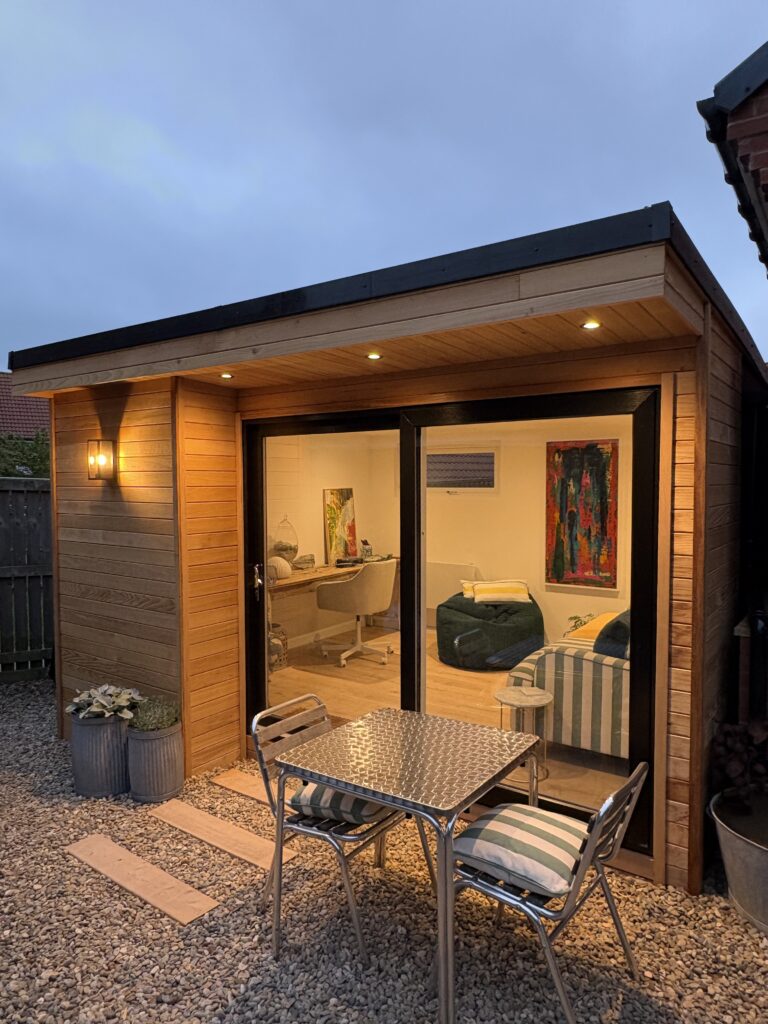
The ceramics studio on the North Yorkshire coast incorporated carefully planned feature lighting within the canopy and around the building, creating a welcoming atmosphere both during the day and after dark. The customer specifically highlighted how much this enhanced the finished space.
Why Insulation Matters
A creative studio should be a place you want to spend time in. If it’s too cold in winter or uncomfortably warm in summer, it simply won’t be used as much. That’s why insulation forms such an important part of every Crusoe build.
Our buildings incorporate Fully insulated floors, Fully insulated walls, Fully insulated roofs & High-performance glazing. This helps create stable internal temperatures and a comfortable environment regardless of the weather outside.
Heating & Ventilation
Comfort isn’t just about insulation. It’s also about managing airflow and temperature. Features often include Opening windows, Ventilation options, Wall-mounted heating & Climate control provision. The result is a space that feels more like an extension of your home than a traditional garden building.
Why This Matters for Creative Work
Comfort directly affects productivity. A warm, welcoming environment encourages you to spend more time creating. Whether you’re painting in January, recording music in November or editing videos on a rainy autumn afternoon, a comfortable studio becomes a space you’ll genuinely enjoy using.
Acoustics & Sound Control
Whilst not every creative studio requires specialist acoustic treatment, many benefit from careful consideration of sound. Over the years, Crusoe has developed significant expertise in designing creative spaces where acoustics play an important role.
Music Studios
Music rooms are perhaps the most obvious example.
Professional musicians often require environments that:
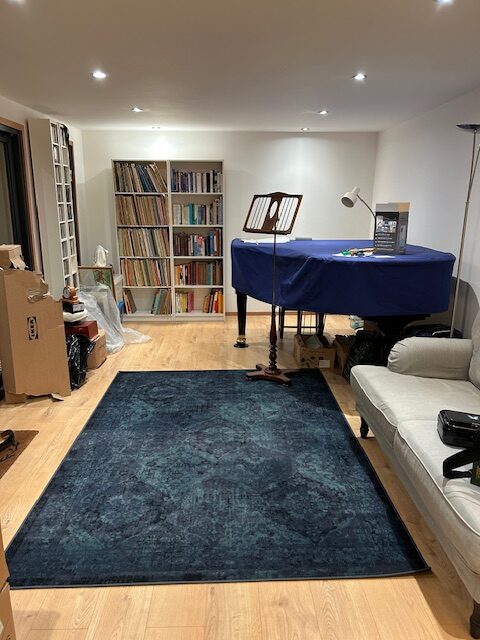
The studio built for a member of the Strictly Come Dancing band incorporated acoustic insulation and specialist soundproofing elements to help create the right environment for both the musician and their grand piano.
Voice Recording Studios
One particularly interesting Crusoe project involved creating a studio for a voice actor, voice coach and sound recordist.
The building included:
This combination created a highly functional professional environment whilst maintaining comfort and flexibility.
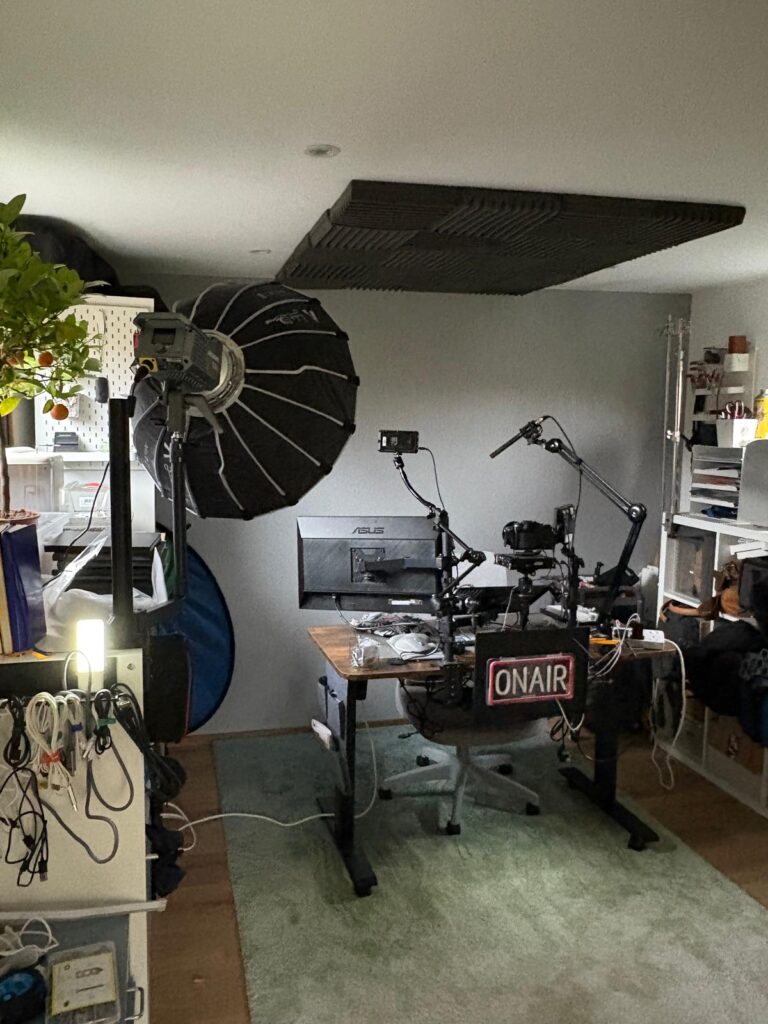
Content Creation Spaces
Acoustic treatment can also benefit:
Even relatively simple acoustic measures can significantly improve the usability of a space.
Inspiration From Real Crusoe Creative Studios
One of the best ways to understand what’s possible is to look at how other customers have used their spaces.
Think About How You Actually Work
Design should be based on reality, not assumptions. Think about your daily routine and how you use your equipment.
Plan For Growth
Most creative hobbies evolve over time. Allow space for additional equipment, materials and storage.
Prioritise Comfort
The more comfortable the space, the more you’ll use it.
Consider Natural Light Carefully
Light can dramatically affect both creativity and practicality.
Ask Questions
No question is too small. The more we understand about how you’ll use the space, the better we can tailor the design.
Bringing your creative Studio to life
A creative garden studio is about much more than adding extra space. It’s about creating an environment that supports your passions, your work and your lifestyle.
Whether you’re a writer seeking peace and inspiration, a ceramicist looking for a practical workshop, a musician needing acoustic performance or a content creator building a professional workspace, the right design can make all the difference.
At Crusoe Garden Rooms, we’ve spent almost 15 years helping creative people bring their ideas to life through bespoke garden rooms designed around the way they work.
Every project is different.
Every customer is different.
And that’s exactly how we think it should be.
Speak to Trev & Emma
If you’re considering a creative garden studio, we’d love to hear about your ideas.
Complete this simple form for a callback.