
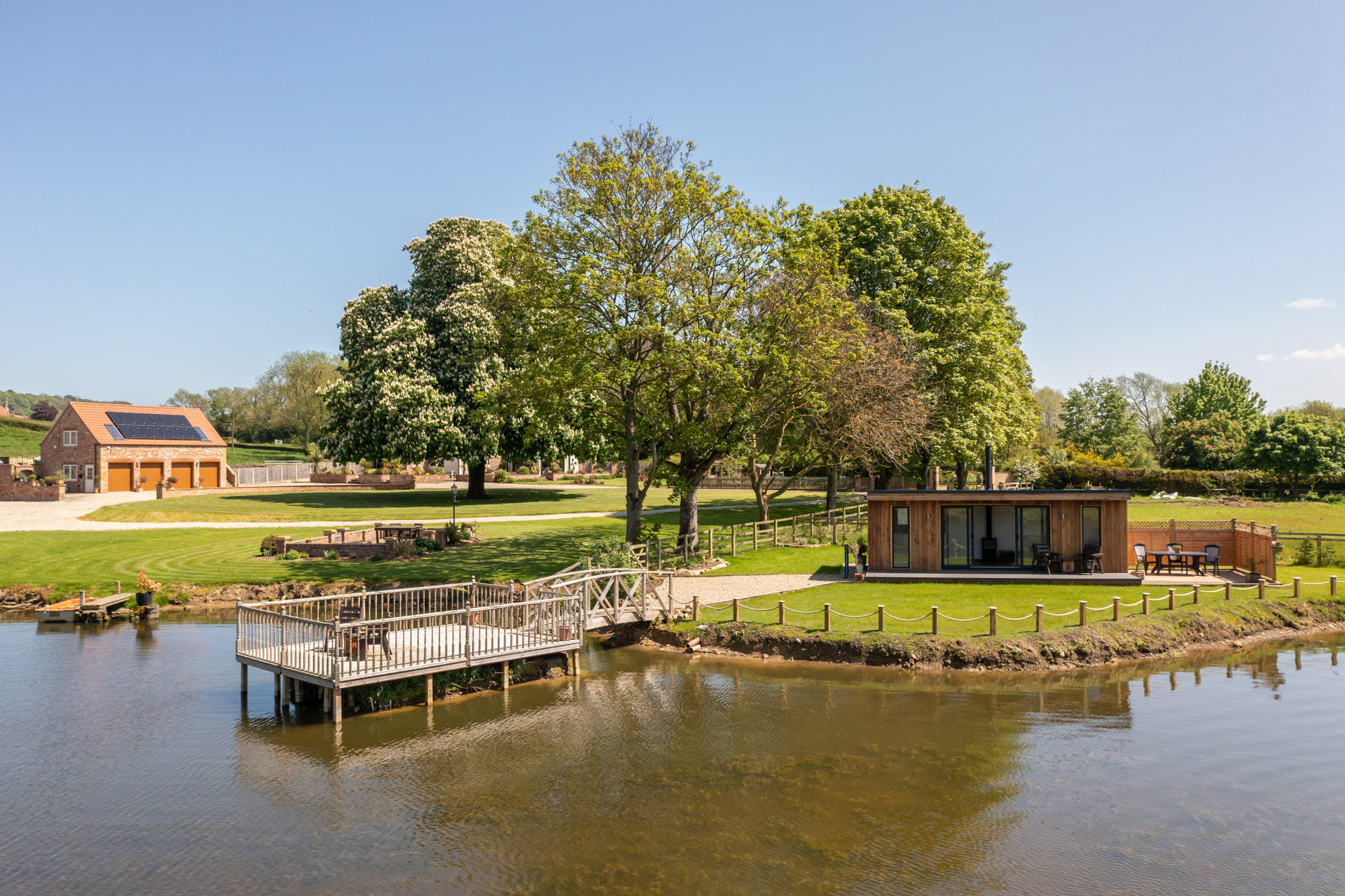
Adding a garden room to your property can completely transform how you use your home. Whether you need a quiet workspace, a private gym, a creative studio or simply extra living space, a well-designed garden building offers flexibility without the disruption of a traditional house extension.
Across the UK, garden rooms have become one of the most popular home improvements in recent years. Homeowners are increasingly looking for ways to create functional spaces that support modern lifestyles, from hybrid working to home fitness and creative hobbies.
However, before construction begins, careful planning is essential. From understanding garden room planning permission rules to choosing the right materials, insulation and layout, every decision contributes to how comfortable and usable your space will be.
At Crusoe Garden Rooms, we work closely with every client to design buildings that are practical, energy-efficient and tailored to individual needs. In this guide we’ll walk through the key considerations when planning and designing your perfect garden room.
Do You Need Planning Permission for a Garden Room?
One of the first questions homeowners ask is whether they need planning permission to build a garden room.
The good news is that in many cases, garden rooms fall under permitted development rights, meaning you can build without applying for formal planning permission. However, there are specific rules that must be followed.
Permitted Development Rules
Most garden rooms can be built without planning permission if they meet the following general guidelines:
These rules cover the majority of garden room installations, which is why many homeowners choose them as an alternative to traditional extensions.
However, planning permission may be required if:
If you’re unsure about planning regulations, it’s always best to check with your local planning authority or consult with experienced garden room specialists who understand the process.
Crusoe Garden Rooms has helped hundreds of customers across the UK navigate these considerations and ensure their project complies with local regulations.
Choosing the Right Materials for Your Garden Room
The materials used to construct your garden room play a significant role in its appearance, durability and long-term performance.
Two of the most common external cladding choices are Western Red Cedar and composite cladding, each with its own advantages.
Western Red Cedar is one of the most popular materials used in premium garden rooms across the UK.
It is widely valued for its:
Cedar also ages gracefully, gradually developing a silver-grey patina over time if left untreated. Because it is a natural timber, cedar blends beautifully with garden environments and works particularly well in contemporary garden room designs.
Composite cladding is another option often used in garden buildings. It is typically made from a combination of recycled plastics and wood fibres.
Benefits include:
However, while composite materials offer practicality, many homeowners prefer the authentic look and feel of natural timber cladding.
At Crusoe Garden Rooms, we use Western Red Cedar on all sides of our buildings because of its durability, appearance and longevity. When designing bespoke garden rooms in the UK, the materials chosen should complement both the architecture of your home and the surrounding landscape.
Insulation and Energy Efficiency
One of the biggest differences between a simple garden shed and a high-quality garden room is insulation. To create a space that can be used all year round, insulated garden rooms must be carefully designed to maintain comfortable internal temperatures regardless of the season.
Why Insulation Matters
Without proper insulation, a garden room can quickly become too cold in winter and too hot in summer. High-quality insulation ensures:
Fully insulated walls, floors and ceilings create a building that performs much more like a permanent extension of your home.
Double Glazing and Thermal Efficiency
Windows and doors are another critical element of energy efficiency. Modern garden rooms typically include:
These features help retain heat in winter while preventing excessive heat gain during summer months.
Heating Options
Many homeowners choose to include heating in their garden rooms to ensure they remain comfortable all year round. Common heating solutions include:
Because insulated garden rooms retain heat effectively, these systems are usually sufficient to keep the space warm even during colder months.
Layout Ideas for Different Garden Room Uses
One of the greatest advantages of a garden room is its versatility. With thoughtful planning, the same structure can be adapted for a wide range of purposes.
Here are some popular layout ideas depending on how you intend to use the space:
Garden Room Home Office
With remote working now a permanent part of modern life, many homeowners are choosing garden rooms as dedicated workspaces.
A garden office offers several benefits:
- Separation between work and home life
- Fewer distractions than working indoors
- A professional space for video meetings
Key design considerations include:
- Desk positioning near natural light
- Sufficient electrical sockets for equipment
- Strong Wi-Fi connectivity
- Comfortable seating and storage solutions
Large windows or sliding doors can help create a bright, motivating workspace.
Home gyms have become one of the most popular uses for garden rooms. When planning a gym layout, it’s important to consider:
- Space for equipment such as treadmills or rowing machines
- Safe clearance for weightlifting areas
- Rubber flooring to absorb impact
- Adequate ventilation
Ceiling height is also an important factor. While many garden rooms fit within the 2.5 metre permitted development limit, customers who plan to perform overhead lifts or jumping exercises sometimes opt for taller structures with planning permission to provide additional headroom.
Creative Studio or Hobby Room
Garden rooms also make excellent creative studios for artists, musicians, photographers and other creative professionals. A studio space benefits from:
- Abundant natural light
- Quiet surroundings
- Flexible layout options
- Storage for equipment and materials
Positioning large windows on the brightest side of the garden can maximise daylight, making the space ideal for painting, photography or crafting.
Multi-Purpose Garden Rooms
Many homeowners prefer to design a multi-functional garden room that can serve several purposes. For example:
- Office by day, relaxation space in the evening
- Gym combined with a yoga studio
- Creative workspace with guest accommodation space (non-sleeping)
A flexible layout ensures the building remains useful as your lifestyle evolves.
Lighting, Power and Comfort Features
While structural design is important, the smaller details often make the biggest difference to everyday usability. Lighting, power and environmental controls are key elements when designing bespoke garden rooms in the UK.
Natural Lighting
Large windows, bi-fold doors or sliding doors allow natural light to flood into the building. Benefits include:
Natural light is particularly important for offices and studios.
Artificial Lighting
Energy-efficient LED lighting is typically installed throughout the building. Downlights provide bright, even illumination while maintaining a clean, modern appearance. External lighting can also be installed to illuminate pathways, steps and entrance areas.
Electrical Layout
A well-planned electrical setup ensures the room can support all your equipment. Typical installations may include:
Planning electrical points early prevents trailing cables and ensures equipment is positioned exactly where it’s needed.
Ventilation and Airflow
Ventilation is particularly important in insulated garden rooms to prevent stale air and overheating. Opening windows, sliding doors and optional ventilation systems help maintain fresh airflow during warmer months. For gym or studio spaces, good ventilation can make a significant difference to comfort levels.
Cost Considerations for Bespoke Garden Rooms
The cost of a garden room varies depending on size, materials, design complexity and specification. In general, bespoke garden rooms in the UK range from £18,000 to £40,000+, depending on factors such as:
While a garden room represents a significant investment, it often adds long-term value to a property while providing highly usable space.
Compared with traditional home extensions, garden rooms are typically:
Many homeowners also find that the increased flexibility of the space improves day-to-day quality of life.
Tips from Trev
Expert Advice from Crusoe Garden Rooms
With more than 40 years of experience in construction and hundreds of garden rooms completed across the UK, Trevor from Crusoe Garden Rooms has learned a few valuable lessons along the way.
Here are some of his top tips when planning a garden room.
Plan for the Future
“People often design their garden room for one purpose, but their needs change over time. I always recommend allowing flexibility so the building can be adapted later.”
Think About Sunlight
“Positioning windows and doors to capture natural light makes a huge difference. A bright room always feels bigger and more welcoming.”
Don’t Skimp on Insulation
“A well-insulated garden room can be used all year round. It’s one of the most important investments you can make in the build.”
Consider Storage Early
“People often forget about storage until the end. Planning shelving or cabinets early helps keep the space organised.”
Ask Questions
“Our customers often worry about asking too many questions, but we’re always happy to talk through every detail. It’s important people feel confident about their design.”
Why Bespoke Garden Rooms Are Worth the Investment
Choosing a bespoke design allows your garden room to be tailored exactly to your needs. Rather than selecting a standard off-the-shelf structure, bespoke buildings offer:
For many homeowners, this level of personalisation makes a significant difference in how the space feels and functions.
Start Planning Your Perfect Garden Room
Designing a garden room is an exciting opportunity to create a space that enhances your home and lifestyle. From understanding garden room planning permission rules to choosing materials, insulation and layout, every decision contributes to how successful the final building will be. With thoughtful planning and expert guidance, a garden room can become one of the most valuable and frequently used spaces in your home.
If you’re considering a garden room and would like advice on design options, materials or planning considerations, the Crusoe Garden Rooms team would be delighted to help.
Every project begins with a conversation, no question is ever too small.