











Why autumn is such a good time to start
One of the simplest reasons to start planning in autumn is that you’re looking ahead rather than trying to make a decision in a hurry. By the time spring arrives, many people are suddenly thinking about their gardens again. The weather improves, the evenings become lighter and everyone starts making plans for spending more time outdoors. Garden projects become popular, and the demand for garden rooms naturally increases too. Starting in autumn means you can get ahead of that rush.
It gives you the opportunity to have your initial conversation, arrange a site visit, think about the position and orientation of your building, discuss the size and layout and consider any planning requirements well before you’re expecting to use the finished room.
It also means that, if your garden room is being built over the winter or in early spring, you can use the quieter months when you’re naturally spending less time in the garden to get the work underway. Then, as spring arrives, your attention can turn towards the enjoyable part: creating the surroundings.
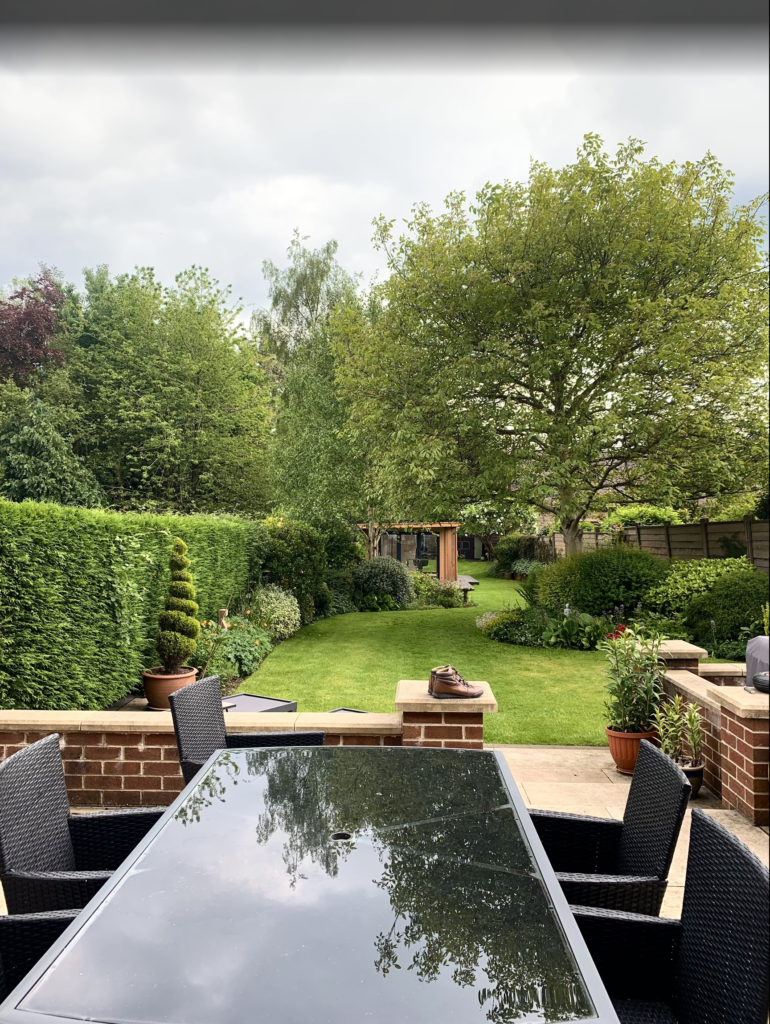
Perhaps you’ll want to add planting, landscaping, decking, paths, lighting or outdoor seating. Instead of spending the whole of spring waiting for the building to be completed, you can be getting the garden ready around it. By summer, you could have a finished garden room and a garden that feels like a genuine extension of your home.
Planning ahead gives you more time to get the design right
One of the biggest advantages of starting early is simply having time to think. When we first meet customers, they often have a broad idea of what they want, but the details develop during the conversation.
Perhaps you’ve always imagined a garden office, but once you start thinking about how you’ll use it, you realise you’d like the space to double as a reading room or somewhere to practise yoga. Maybe you’re looking for a creative studio but also want enough comfortable seating for friends and family.
Perhaps you’re planning to run a business from the garden and need a professional space where clients can visit, but you’d also like the room to be somewhere you can relax in the evening. These are exactly the sorts of conversations that are important to have before construction begins.
At Crusoe, every building is designed around the customer. Windows, doors, electrics, lighting, storage and the internal layout can all be considered as part of the overall design rather than being treated as afterthoughts. Our experience is that the more time you give yourself to consider these details, the more confident you become about the final design.
What about garden room planning permission?
Planning permission is understandably one of the first things people ask about when considering a garden room. The good news is that many garden rooms can fall within permitted development rights, meaning a formal planning application isn’t necessarily required. However, permitted development comes with conditions and limitations, and these need to be considered carefully before you begin.
The rules cover matters such as the position of the building within the garden, its height, size and intended use. For example, permitted development rights for outbuildings include restrictions relating to the proportion of the garden covered by buildings and the height of a structure, with different height rules applying depending on its proximity to a boundary.
There can also be additional considerations if your property is listed, situated within a conservation area or subject to restrictions that remove permitted development rights.
Crusoe’s existing garden room range has been designed with permitted development in mind, and the company advises customers to seek advice where there is any doubt, particularly in conservation areas. The important thing is not to assume that every garden room automatically falls under permitted development. If you’re unsure, it’s worth discussing your individual property and plans before you commit to a design.
When might formal planning permission be required?
There are circumstances where a garden room may need formal planning permission. This can include projects that don’t meet the relevant permitted development conditions, buildings in certain protected locations, or proposals involving a height, position or use that falls outside the permitted development rules.
The intended use is also important. Permitted development rights for outbuildings are generally intended for purposes incidental to enjoying the main dwelling rather than creating a separate dwelling or independent living accommodation.
This is why planning should be part of the conversation at the beginning rather than something to consider once the design is already finalised.
At Crusoe, we’re always happy to share our knowledge and help customers understand what may be involved. Where additional planning support is required, we can also recommend appropriate assistance.
No question is too small.
Give yourself time for the ground conditions
Autumn and winter can bring wetter ground, which is another reason why starting the planning process early can be useful. Before construction begins, the site needs to be assessed and the appropriate base arranged. Depending on the location and ground conditions, this may be a concrete base or ground screws.
Ground screws can be a particularly useful option for many garden rooms, and in most areas they can be installed with minimal disruption to the garden. Where a concrete base is more appropriate, Crusoe can often arrange and complete this as part of the project, or liaise with local trusted tradespeople where needed.
Getting this part of the project organised early means you’re not waiting for the groundworks to be completed before the garden room itself can begin.
It is another reason why autumn can be such a sensible time to start the conversation. By looking at the site, ground conditions and access well in advance, there is time to work out the right approach and plan the build accordingly.
Winter doesn’t mean your project has to stop
There is a common perception that garden room construction is something that should wait until spring. In reality, the quieter months can be an excellent opportunity to get the project underway. Of course, every site is different and weather and ground conditions need to be taken into account, but building during the autumn and winter can have a significant lifestyle advantage: you’re doing the work at a time when you’re naturally using the garden less. During the height of summer, the garden is somewhere you want to enjoy.
You might have children playing outside, friends visiting, barbecues happening and evenings spent sitting outdoors. The thought of having a building project taking place in the middle of all that isn’t necessarily appealing. During autumn and winter, the garden naturally becomes quieter. Leaves fall, outdoor furniture is packed away and the focus moves indoors. It’s therefore a natural time to undertake a project that will ultimately enhance how you use the garden when the warmer months return.
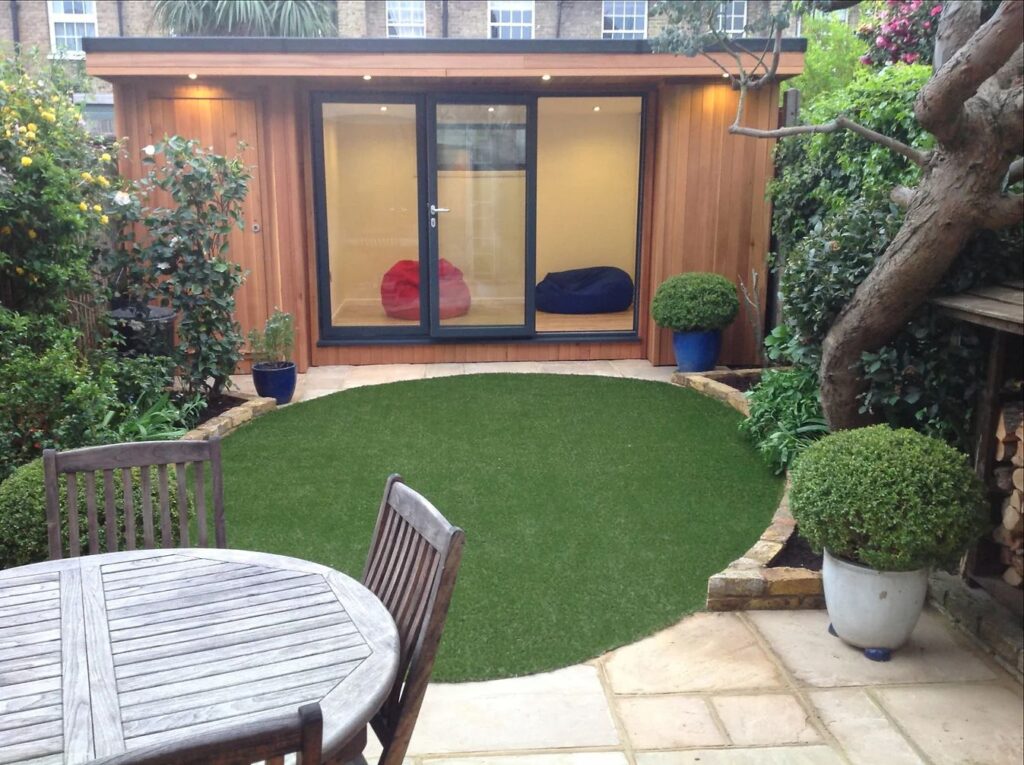
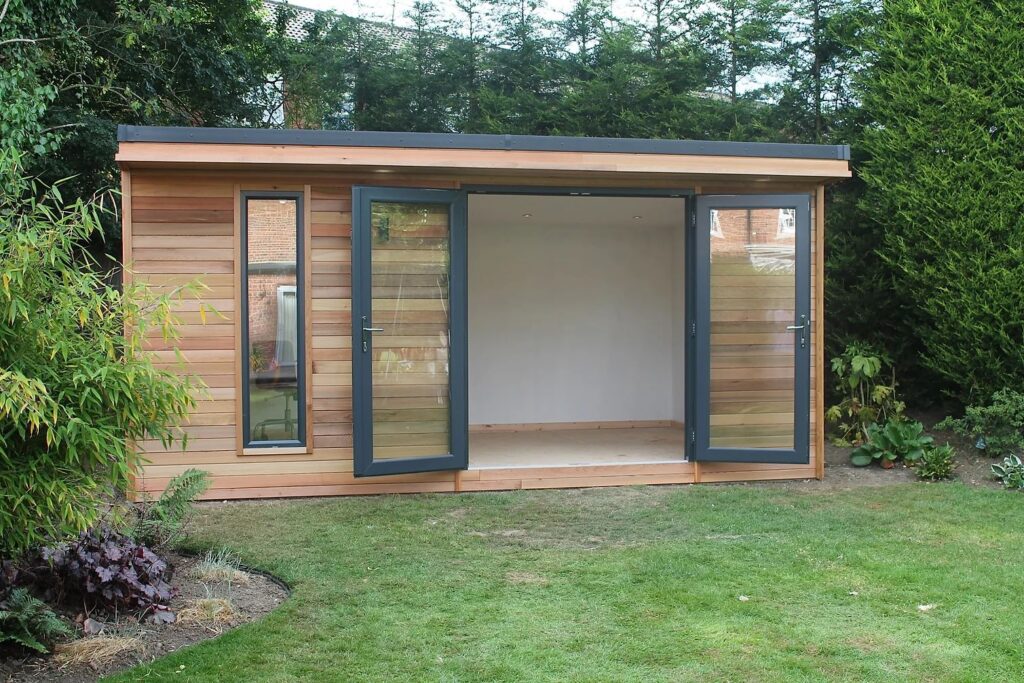
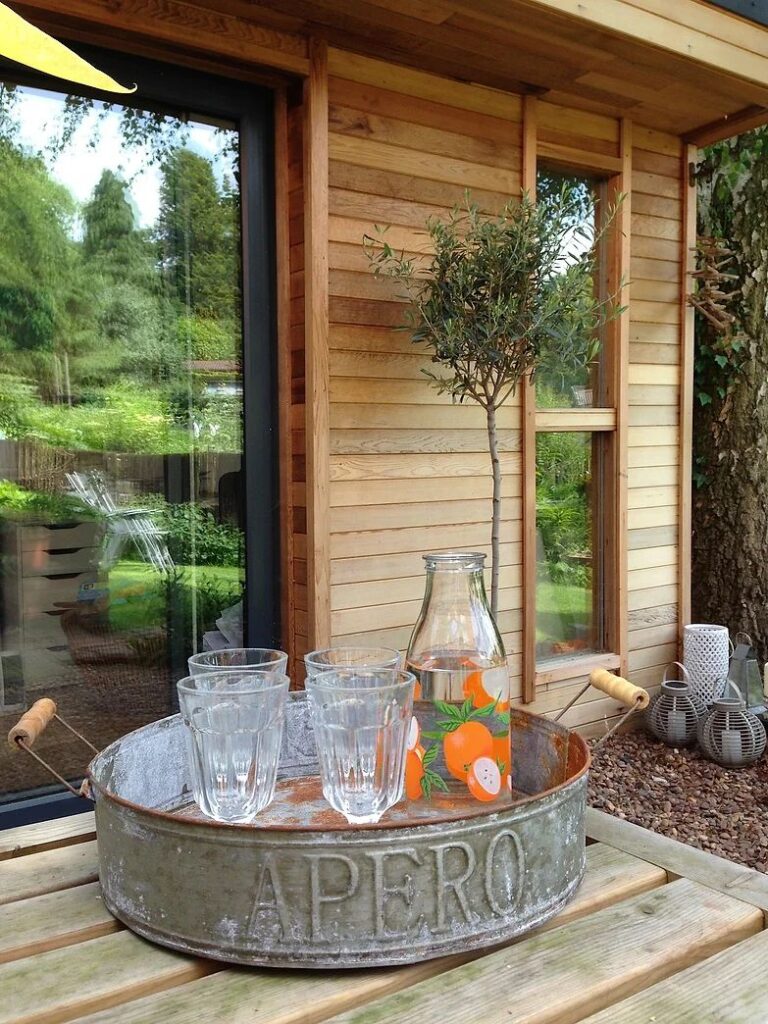
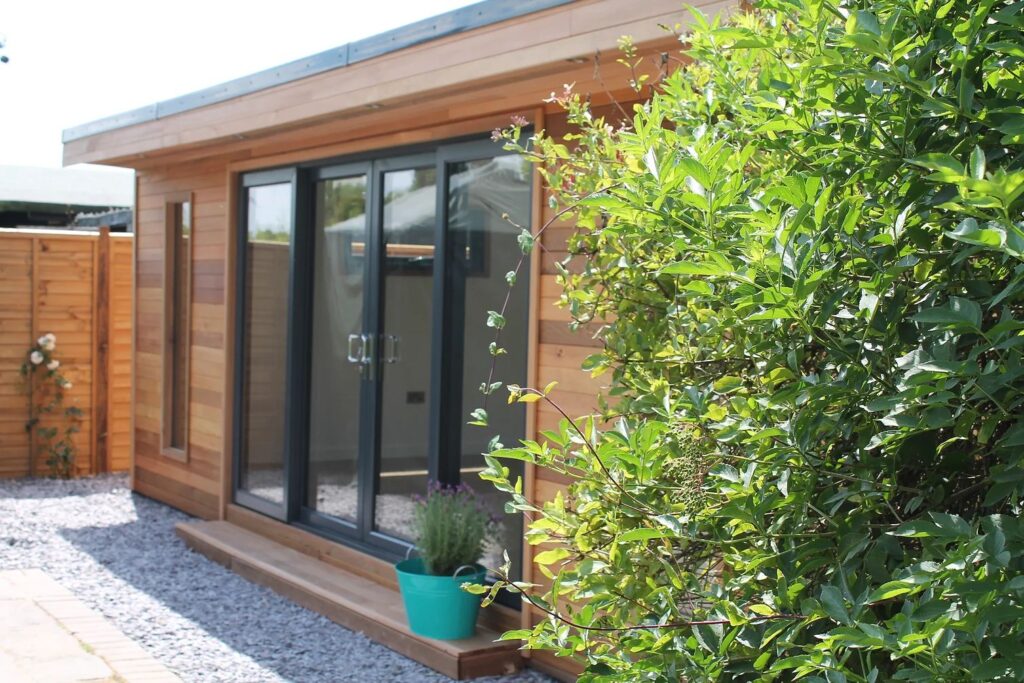


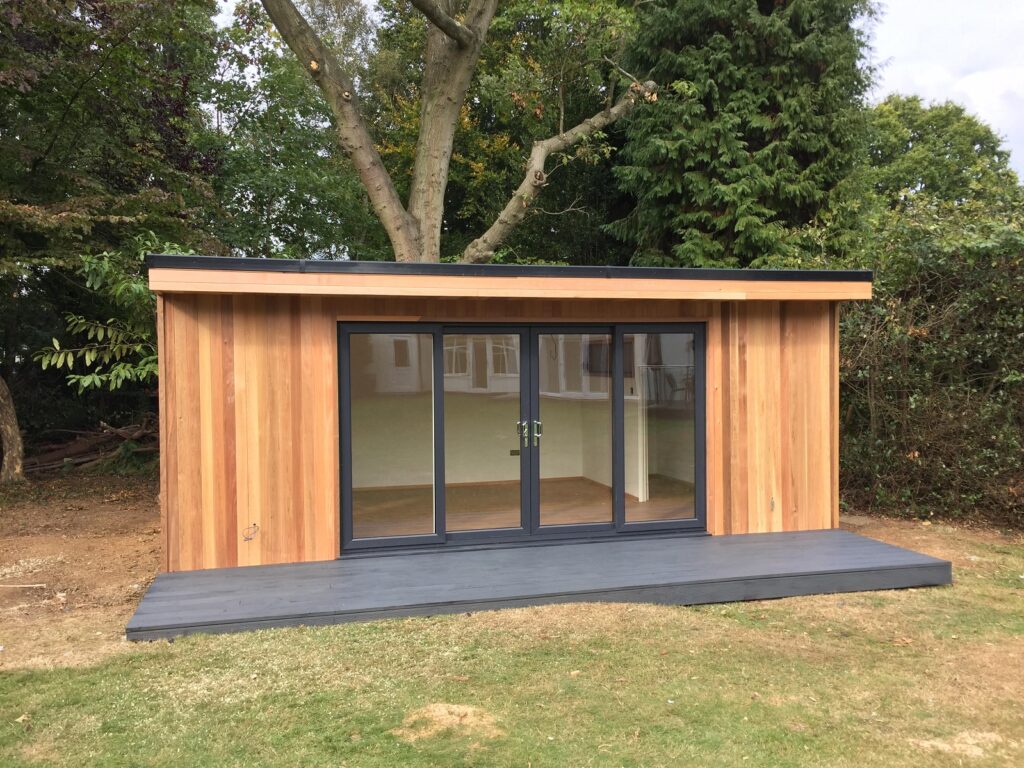
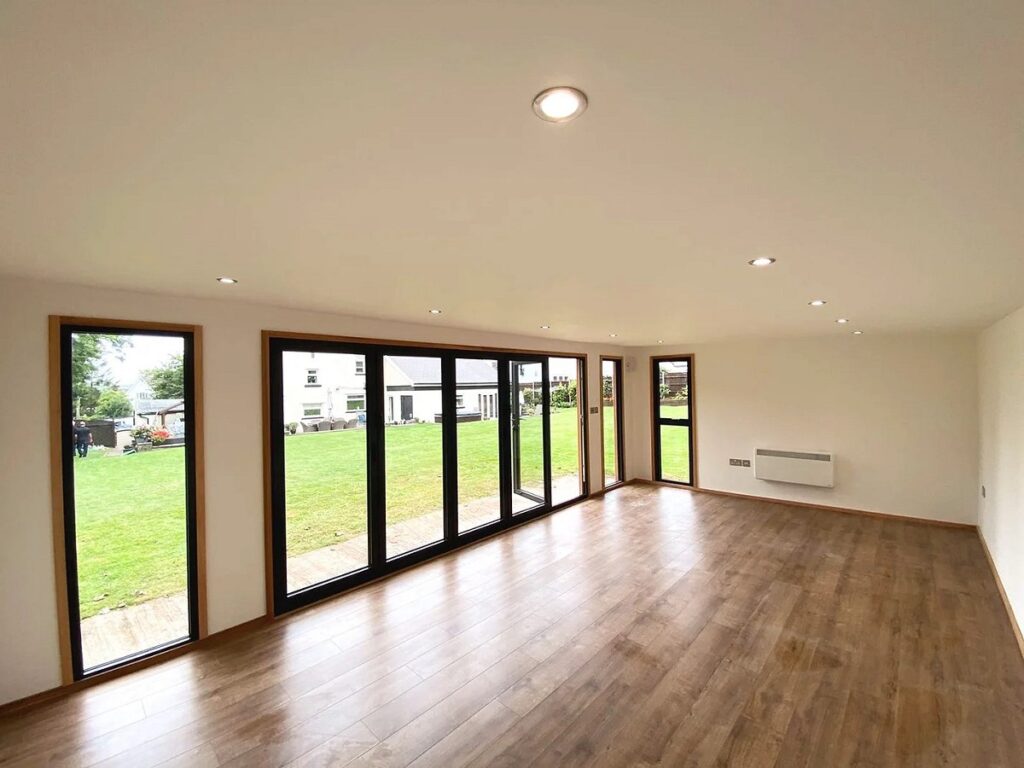
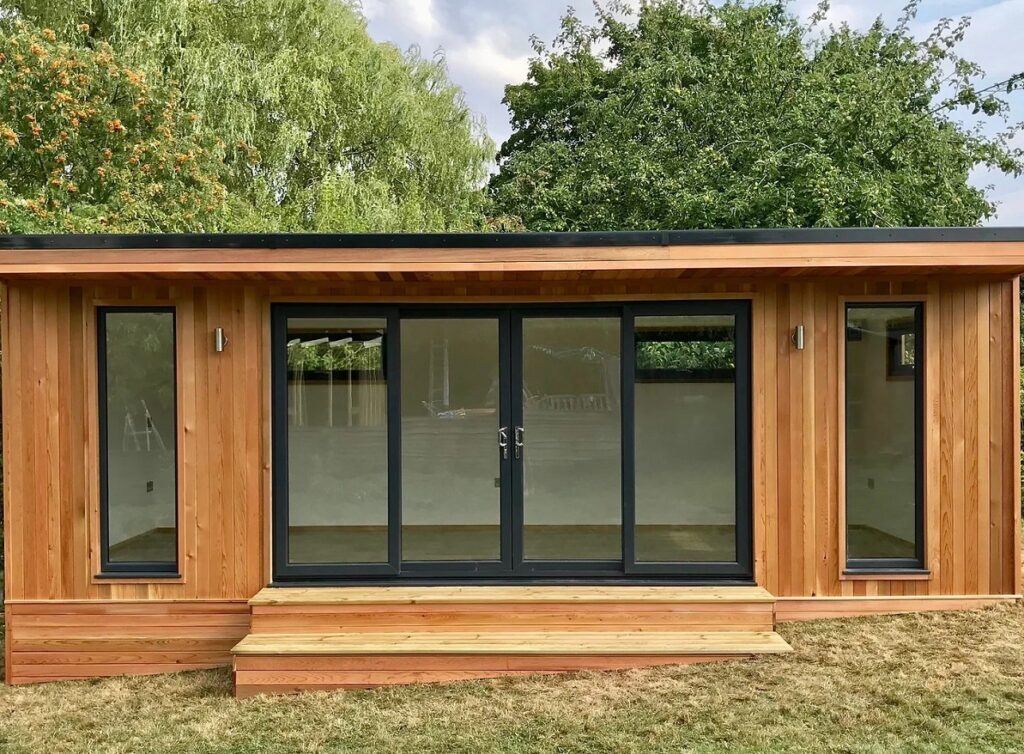

Imagine starting spring with your garden room already finished
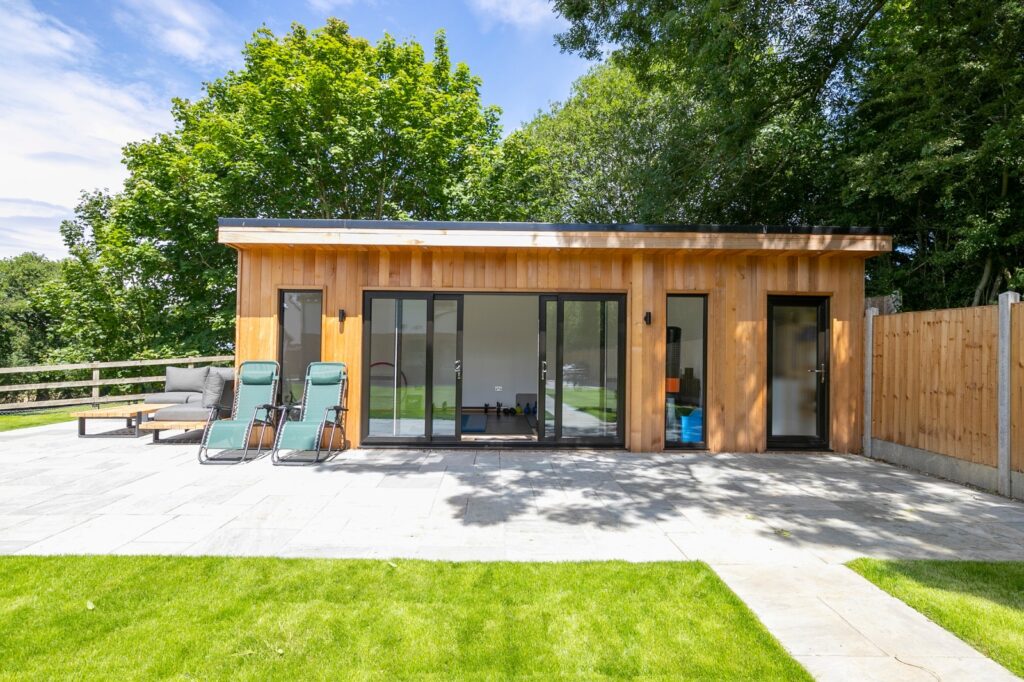
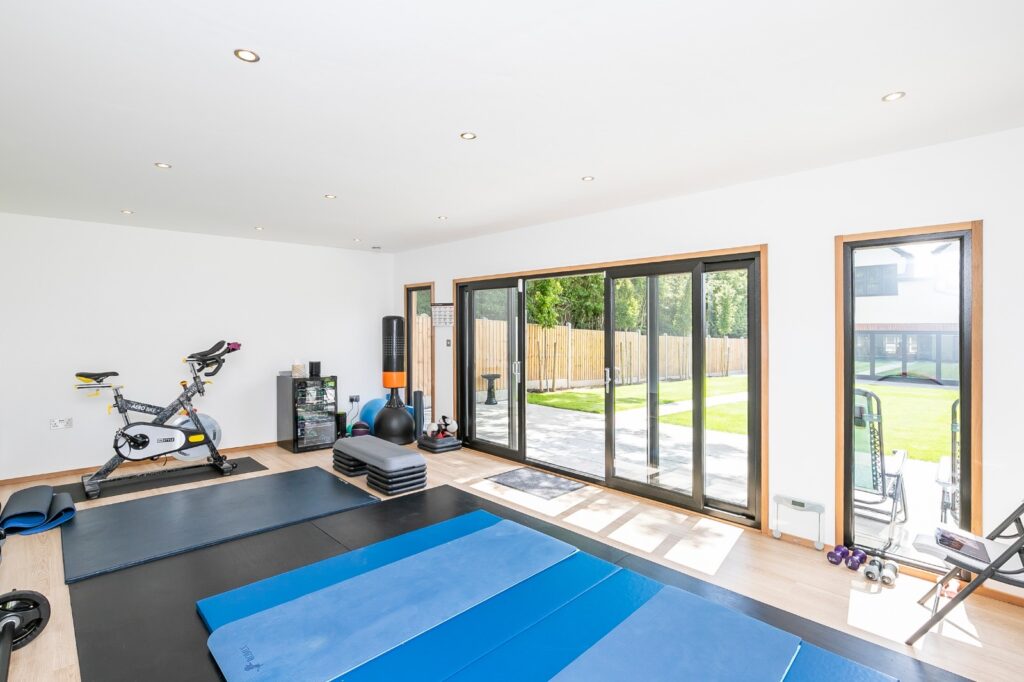
This is perhaps the biggest reason we like the idea of autumn planning. Imagine reaching March or April and instead of starting to think about your garden room, you’re already using it. Your new home office is ready for the working week. Your gym is waiting for your morning workout.
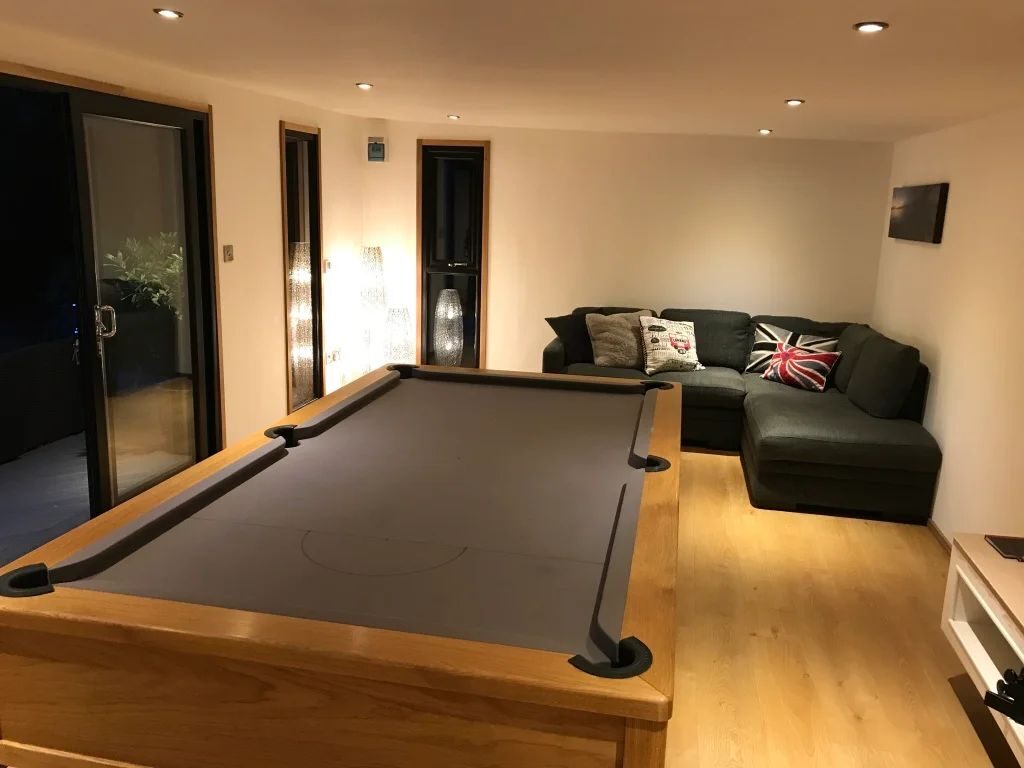
Your creative studio is ready for your next project. Your family has somewhere to enjoy movie nights. Or perhaps you’ve created a beautiful garden room where you can simply sit with a coffee and look out over the garden. The building is finished, the heating is on, the furniture is in place and the space is yours.
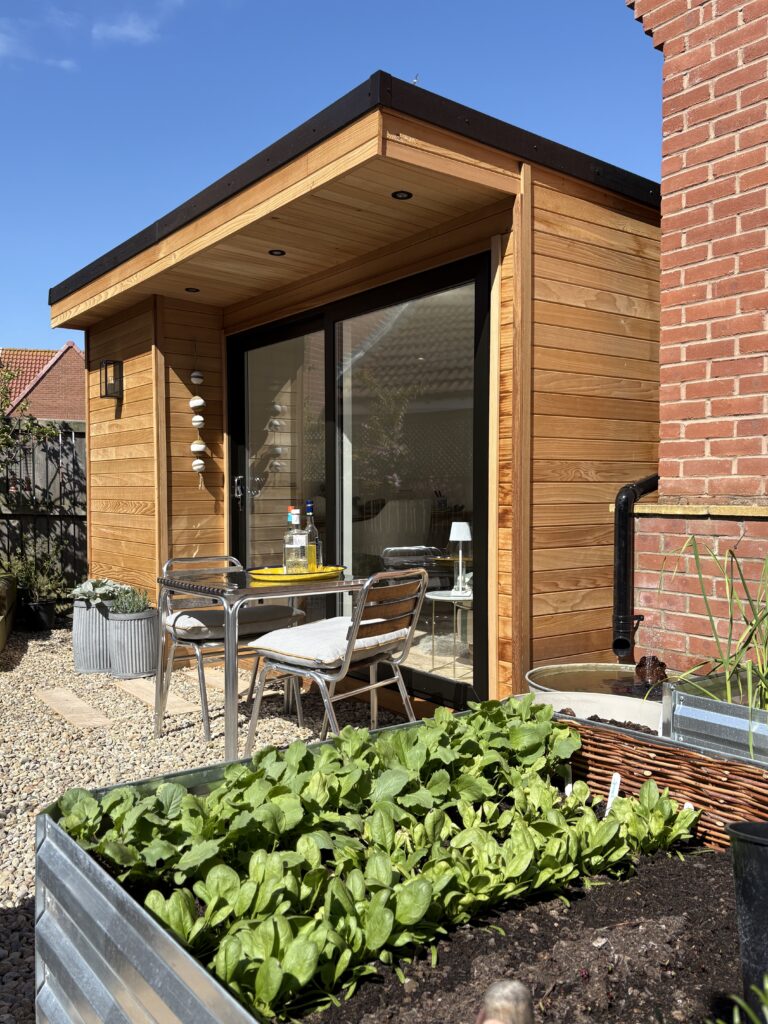
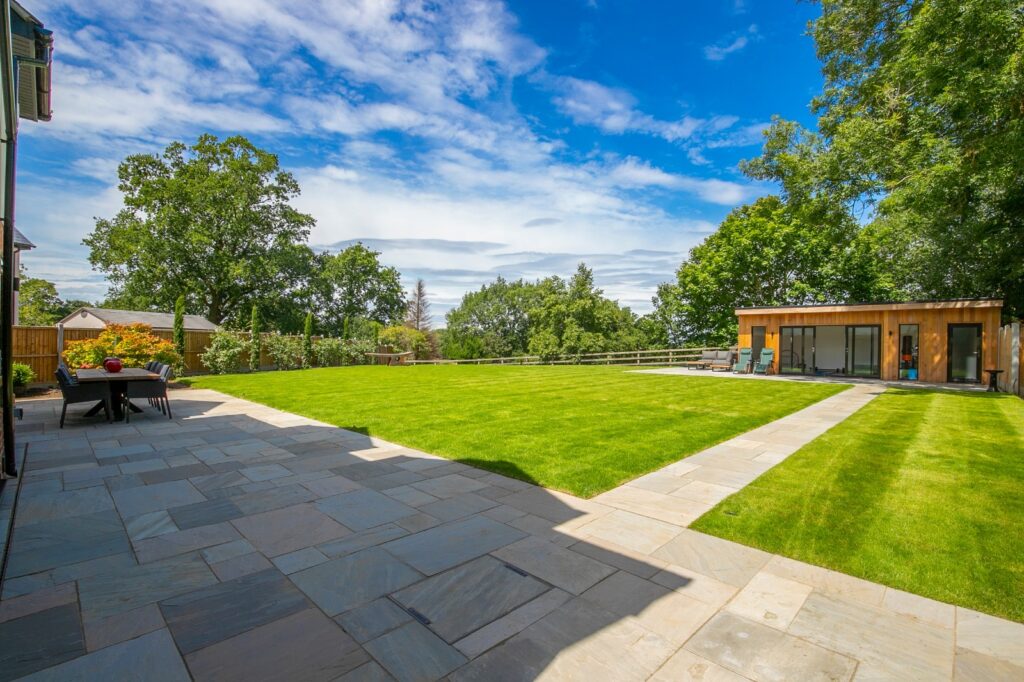
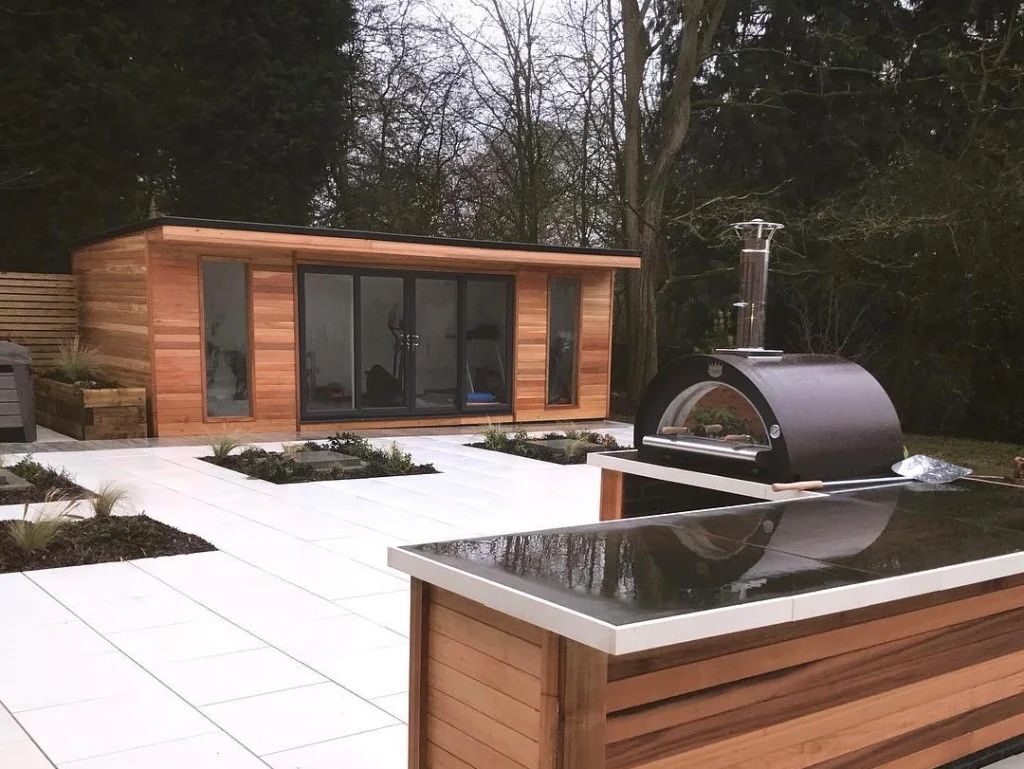
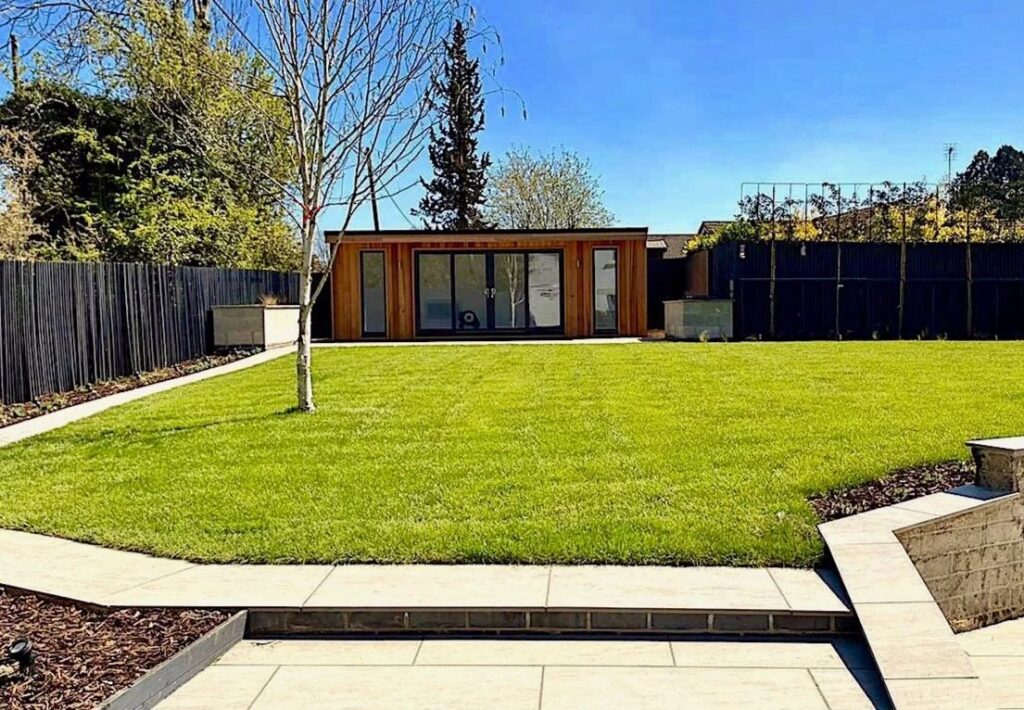
That leaves you free to turn your attention to the garden itself. You might add planting around the building, create a new pathway, introduce decking or a terrace, install outdoor lighting or create a seating area that connects the garden room with the rest of the garden. Instead of seeing the garden room as a separate building, you can begin to make it feel like an integral part of your outdoor space. And when summer arrives, the whole garden can become an extension of your home.
Designing a garden room that works with your garden
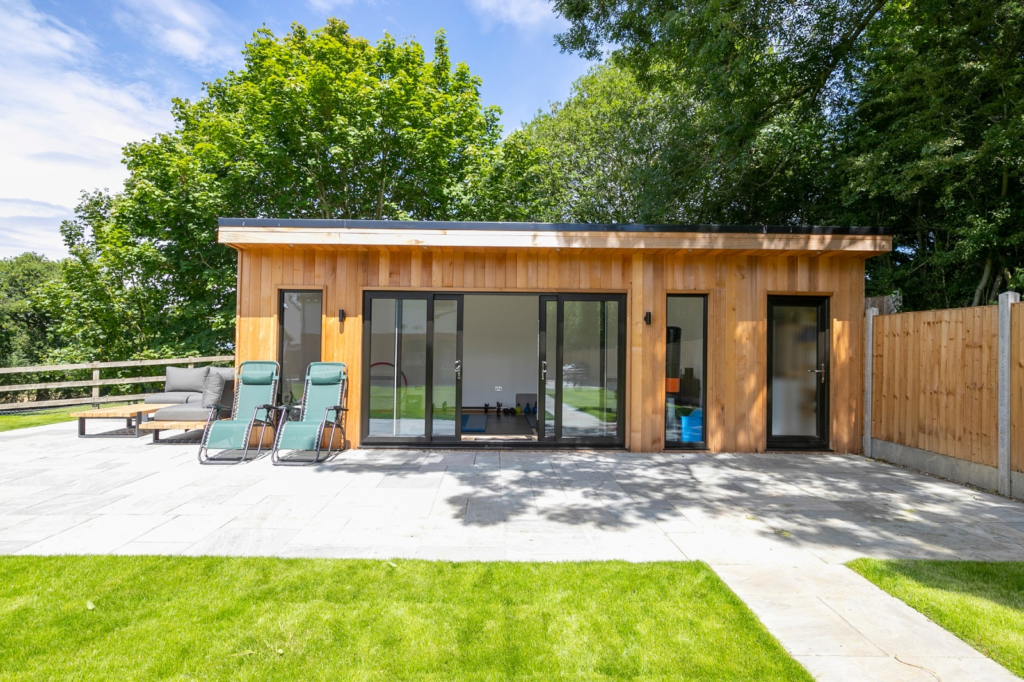
The relationship between the building and the garden is something we consider carefully during the design process. A garden room shouldn’t simply be positioned wherever there happens to be space. Its orientation, windows and doors can all influence how you experience the garden from inside.
Perhaps you have a favourite view that you’d like to frame. Maybe there’s a mature tree you’d like to look towards. You might want morning sunlight in your office or afternoon light in your creative studio. Perhaps the garden room will sit beside a patio or decking area and become part of an entertaining space. These decisions can make an enormous difference to how the finished building feels.
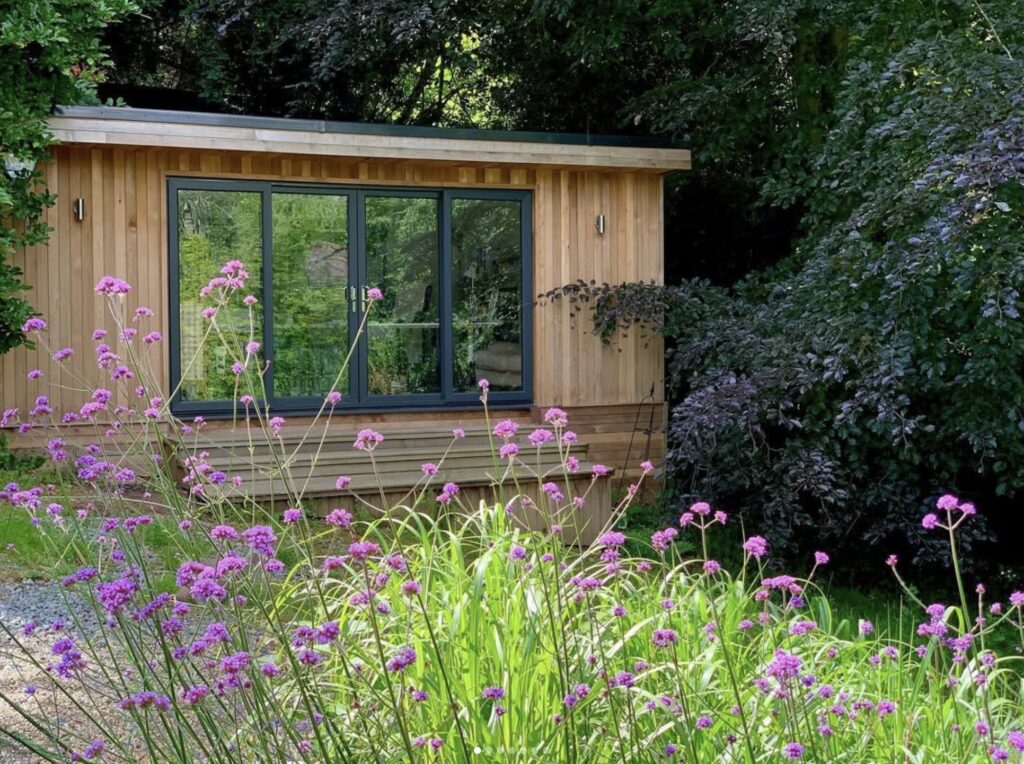
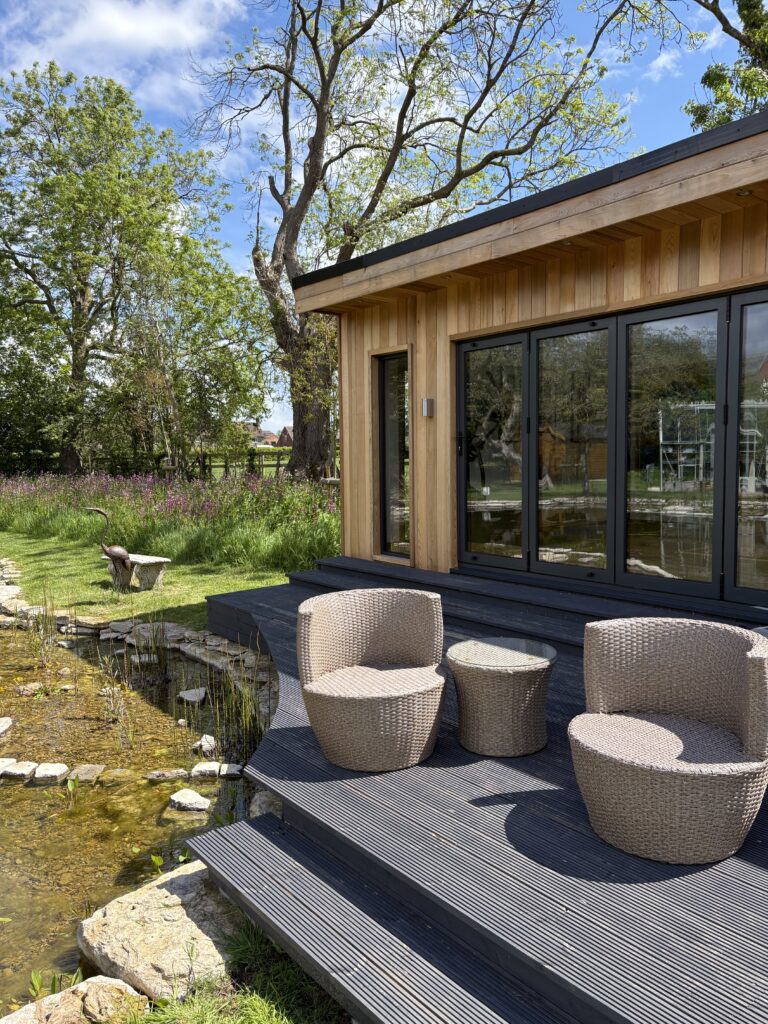
We’ve worked on projects where the surrounding landscape has been central to the design, including garden rooms carefully positioned to make the most of waterside settings and beautiful garden views. In these cases, the building doesn’t compete with its surroundings; it becomes part of them. That’s particularly important when you’re investing in a space that you intend to use throughout the year.
A garden room that becomes an extension of your home
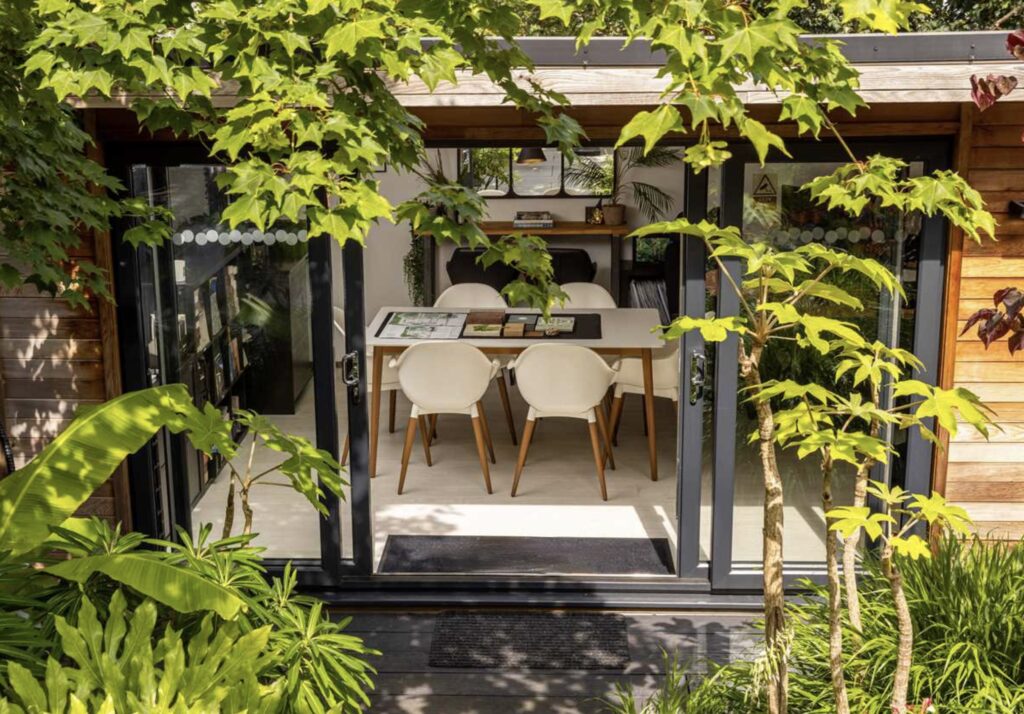
One of the reasons garden rooms have become so popular is that they can give you additional living space without changing the footprint of the main house. But the best garden rooms don’t feel like detached sheds. They’re designed to feel like part of the way you live. In summer, you might open the doors and move between the garden and the room throughout the day. In winter, the garden room becomes a warm and comfortable retreat, somewhere to work, create, exercise or relax without needing to heat or occupy a larger part of the house.
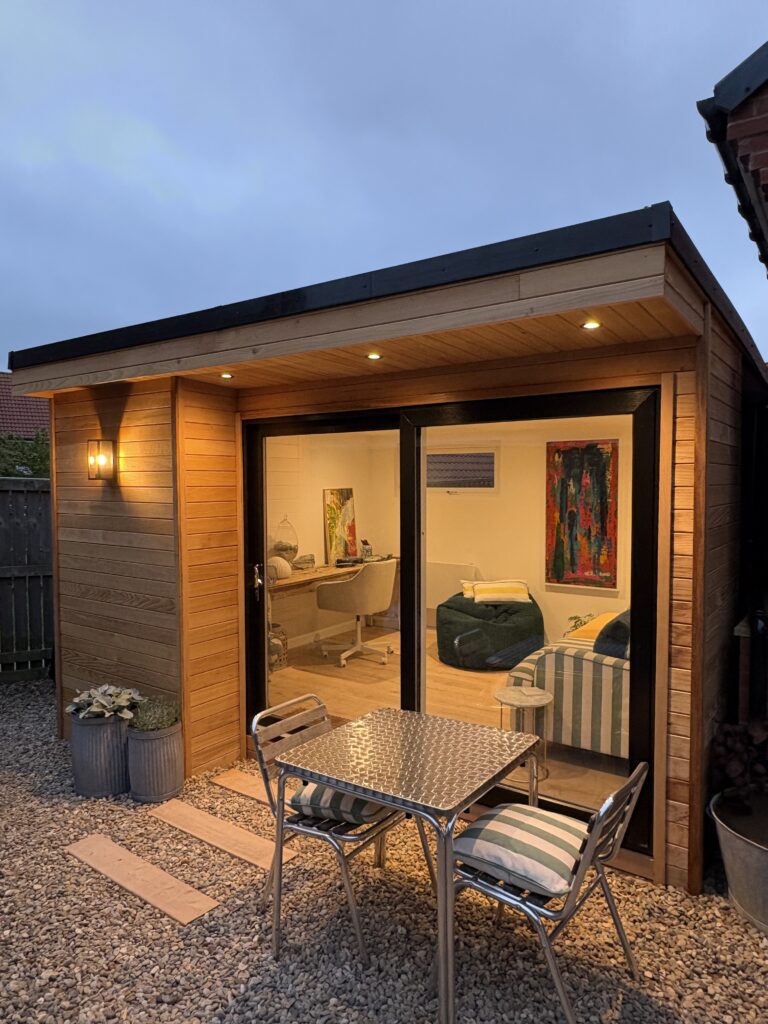
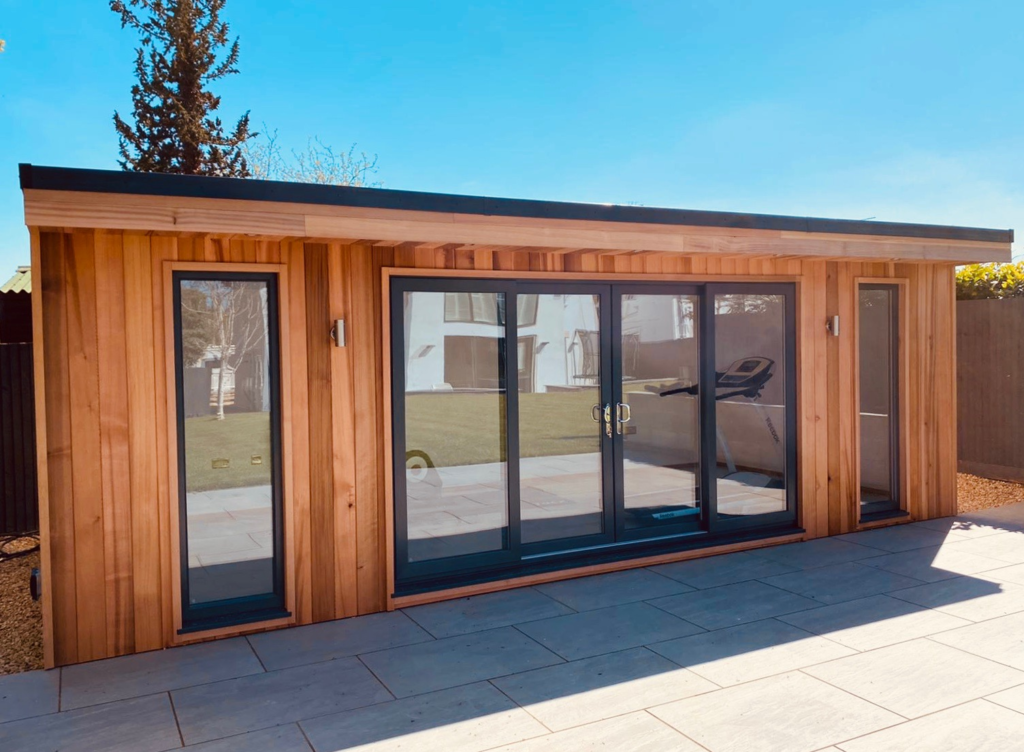
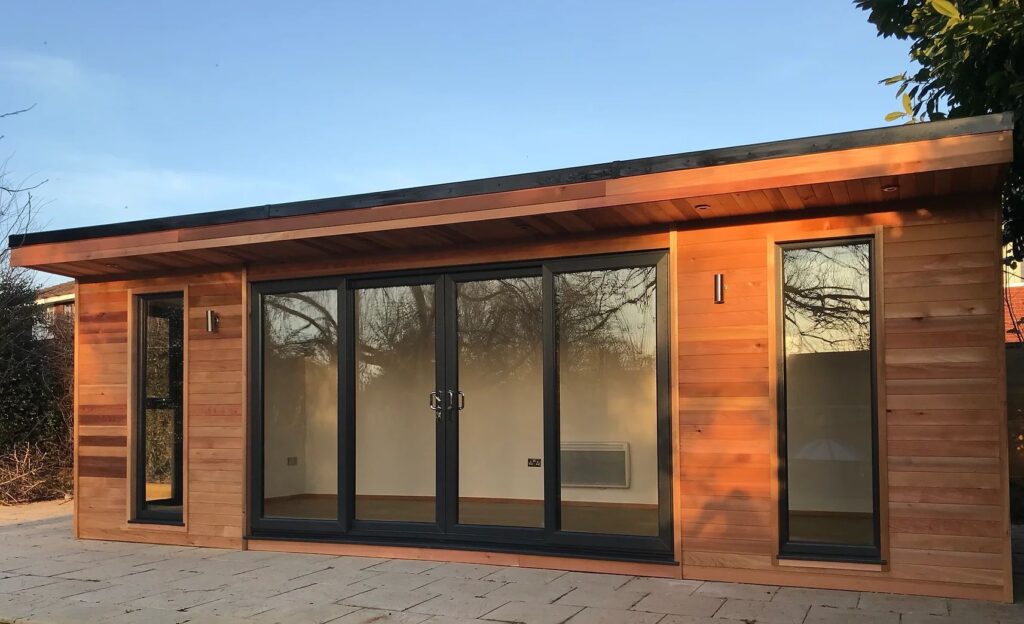
Crusoe’s garden rooms are fully insulated, internally boarded, plastered, painted and floored, with a complete electrical package. They are designed for year-round use, keeping you warm in winter and cool in summer. That means your spring and summer plans don’t have to be limited to using the room only when the weather is good. The garden room can become part of everyday life throughout the year, while the warmer months give you the opportunity to open it up to the garden and make the most of the connection between indoor and outdoor space.
Autumn is also the perfect time to think about how you’ll use the space
The darker evenings of autumn can actually be useful when it comes to thinking about your garden room. What would you like to be doing in this space on a cold January morning? Where would you want to sit when it’s raining outside? Would you like somewhere to exercise without leaving home? Could you see yourself working here every day? Would your children use it for homework or gaming?
Could you close your office away at the end of the working day and turn the room into somewhere to relax? Would clients feel comfortable visiting? Could the space eventually become something completely different? These questions are often more useful than simply deciding that you want “a garden room”. At Crusoe, we’ve created spaces for home workers, writers, artists, musicians, therapists, physiotherapists, Pilates and yoga instructors, garden designers, beauty professionals and families. We’ve even built a bespoke nail salon. The point is that there isn’t one correct way to use a garden room. The right design is the one that works for you.
Members of the Guild of Master Craftsmen
Crusoe Garden Rooms is proud to be a member of the Guild of Master Craftsmen. For customers, this provides an additional level of reassurance when choosing who to trust with a significant home improvement project. For Crusoe, membership is also important because it reflects the standards and professional approach the business has built its reputation around.
The company also has public liability insurance in place, providing further reassurance for both clients and the business itself. When you’re inviting a company onto your property and investing in a bespoke building, those details matter. Quality isn’t simply about how the finished cedar looks.
It’s about the people, the workmanship, the construction process, the communication and the care taken with your property and your neighbours.

Planning your garden room now could mean enjoying it next spring
There are plenty of reasons to start your garden room journey in autumn. You have time to think rather than rush. You can explore your options around planning permission. You can consider the best position for the building. You can assess access and ground conditions. You can think carefully about windows, doors, electrics, storage and how you’ll actually use the room. And, perhaps most importantly, you can use the quieter months to get the project underway while you’re naturally spending less time in the garden. Then, when spring arrives, you’re not waiting for the building to be designed. You’re ready to enjoy it.
You can start landscaping around it, introduce new planting, add outdoor furniture and create the garden you’ve been imagining. When summer arrives, your new room can become an extension of your home – somewhere to work, relax, exercise, entertain or simply enjoy being in your garden. For many customers, that’s the real appeal of a garden room. It’s not just about adding another building to the property. It’s about creating another way to enjoy your home.
Frequently Asked Questions
Start Planning This Autumn
If you’ve been thinking about a garden room for a while, there may be no need to wait until spring to get started. Autumn gives you the breathing space to explore your ideas, understand the practical considerations and create a design that genuinely works for you.
By using the quieter months to plan and, where appropriate, build your garden room, you can arrive at spring with a finished space ready to become part of your everyday life.
Then it’s time to enjoy it. Open the doors. Bring the garden in. Add the planting, the decking, the outdoor furniture and the finishing touches. And start making the most of your home in a completely new way.
At Crusoe Garden Rooms, every project begins with a conversation. Whether you already know exactly what you want or you’re still working out what’s possible, Trev and Emma are always happy to share their knowledge.
Complete this simple form for a callback about your garden room.